
Red Potatoes: Chemical-Free, Fresh Local, Hand-picked, Superfood (Chieftain, etc.)
💚 Buy 10 lb. or more and pay $1.49 per lb. — save $0.20 per lb off the regular price ($0.10 more than the sale price)
Packed with Vitamins B, C, Protein, Manganese, Potassium and Copper. The pigmented red skin is packed with anthocyanins, quercetin, and other flavonoid antioxidants. Read below to find out why potato is a well-kept health food secret and how as a low-cost nutritious crop it helped civilizations grow in Europe and America....
Compare our prices to organic store prices
Season & availability
Available starting
June
Available until (if not sold out)
Next February (if Not Sold Out)
Typical window: June – Next February (if Not Sold Out)
Minimum order: 5 lb.
About this product
Hand Picked and Chemical-free. Unrivaled taste, freshness and price as compared to Health Food/Organic Stores and conventional mega farms. There is a well-kept secret in the nutrition and food industry. One of the lowest-cost food items is among the most nourishing and satisfying forms of carbohydrate. In this article, I share some little-known nutritional and historical facts about golden and red potatoes, which are among the healthiest carbohydrates when compared to most types of rice, pasta, bread. Potato’s impressive high fiber content and nutrient density (Vitamins A, B and C, micronutrients, magnesium, phosphate, potassium, iron, copper, and calcium) make it a superfood for our cardiovascular and digestive health as well as immune system. Because of its high fiber and micronutrient density, potato is a perfect food to satiate hunger while regulating blood sugar (although certain people should watch the glycemic index for white potato and certain other varieties, as explained below).
No wonder potatoes were among the earliest domesticated crops in the human history. Cultivation of potatoes in South America may go back 10,000 years. Over time, potato found its way to Europe and by the 19th century it was the most important new food in Europe because of its resistance to spoilage and its amazing nutrient density and value. Furthermore, boiled or baked potatoes were cheaper than rye bread, just as nutritious, and did not require a gristmill for grinding. Potato’s combination of nutrient density and low cost had a large effect on European demographics and society, due to the fact that it yielded about three times the calories per acre of grain while also being more nutritive and growing in a wider variety of soils and climates.
While in hotter climates of Portugal, Spain, Italy, and southern France the sweeter maize (corn which also yielded far more calories per acre than wheat) proved more popular, potato is believed to be a key in the economic development in central and northern Europe and England by underpinning the Industrial Revolution in the 19th century. Marxist Friedrich Engels even declared that the potato was the equal of iron for its "historically revolutionary role." In the German lands, Frederick the Great, king of Prussia, issued Kartoffelbefehl (potato order) in 1756, an official proclamation mandating potato cultivation. Frederick was later known as the Kartoffelkönig ("potato king").
Probably the first area of Europe to cultivate potato on a wide scale was Ireland in the early 17th century. As a result, by the 18th century the Irish population exploded, and its people subsisted almost entirely on the low-cost and prolific crop. The expansion of potato cultivation was due entirely to landless laborers, renting tiny plots from landowners who were interested only in raising cattle or producing grain for the market. A single acre of potatoes and the milk of a single cow was enough to feed a whole Irish family. Potato became a monotonous but nutritionally adequate diet for a poor yet healthy and vigorous rural population. Poor families even grew enough extra potatoes to feed a pig that they could sell for extra cash too.
Unfortunately, the Irish did not practice crop rotation, which caused depletion of the same farmed areas of soil from nutrients. Also, the Irish mainly cultivated (as a monocrop) the Lumper potato, a variety of white potato that yielded large crops in wet and low-nutrient garden soils but was poorly resistant to the potato blight (Phytophthora infestans known as HERB-1) which spread from America to Europe in the 1840s. As a result of the blight and plunging potato supply, the Irish Famine of 1845-1849 led to death of more than a million people and mass migration of another million (one the history’s largest mass migrations) from Ireland to the U.S. and Canada for the remainder of 19th century. By the mid 20th century, Ireland’s population stood at less than half of the pre-famine level of 8 million, while the populations of Canada and the US surged to historically high levels. So one can call potato (blight) a major factor in the economic and population expansion of North America in the late 19th century.
A freeze-dried form of potato popular with Andean people in South America (Peru and nearby countries) was chuño, which could be stored for years without refrigeration, which came into use, especially during years of famine or bad harvests. The Spanish fed chuño to the Inca silver miners who produced vast wealth in the 16th century for the Spanish government.
Some Important Notes about Golden and Red Potatoes
While both golden (yellow) and red potatoes are excellent sources of vitamin C, the red potato is richer in anthocyanins (antioxidants) and the yellow potato in carotenoids. Also, if you're watching your carbs for blood sugar control, golden yellow potatoes may make a better choice than red potato. The boiled golden variety has a glycemic index of 58 as compared to 89 for a boiled red potato. And of course, whether you buy red or gold potato varieties, you want to buy them from sources that do not spray them with chemicals or grow them on damaged soil. On our farm, we go to great lengths to nourish the soil as we grow our potatoes. For example, we add generous layers of non-sprayed hay as a mulch film and do manual weeding when and if needed to avoid poisoning the soil and potatoes with pesticides. And we sell our potato at comparable prices to non-organic "sprayed" potato to make it easy on your budget to taste and feel the difference of chemical-free old-fashioned potato with mass-produced cheap sprayed varieties. Also, when subjected to sunlight in the field, potato skins produce chlorophyll and turn green to harvest the sunlight. While the chlorophyll that turns skins green is harmless, sun exposure can produce a chemical called solanine, a bitter glycoalkaloid, which is believed to be a toxin. So the green part of potato needs to be cut out before consumption. Boiling potatoes and removing the green or damaged skins is also believed to reduce the concentration of undesirable solanines.
You might also like
More in-stock produce ready to order.
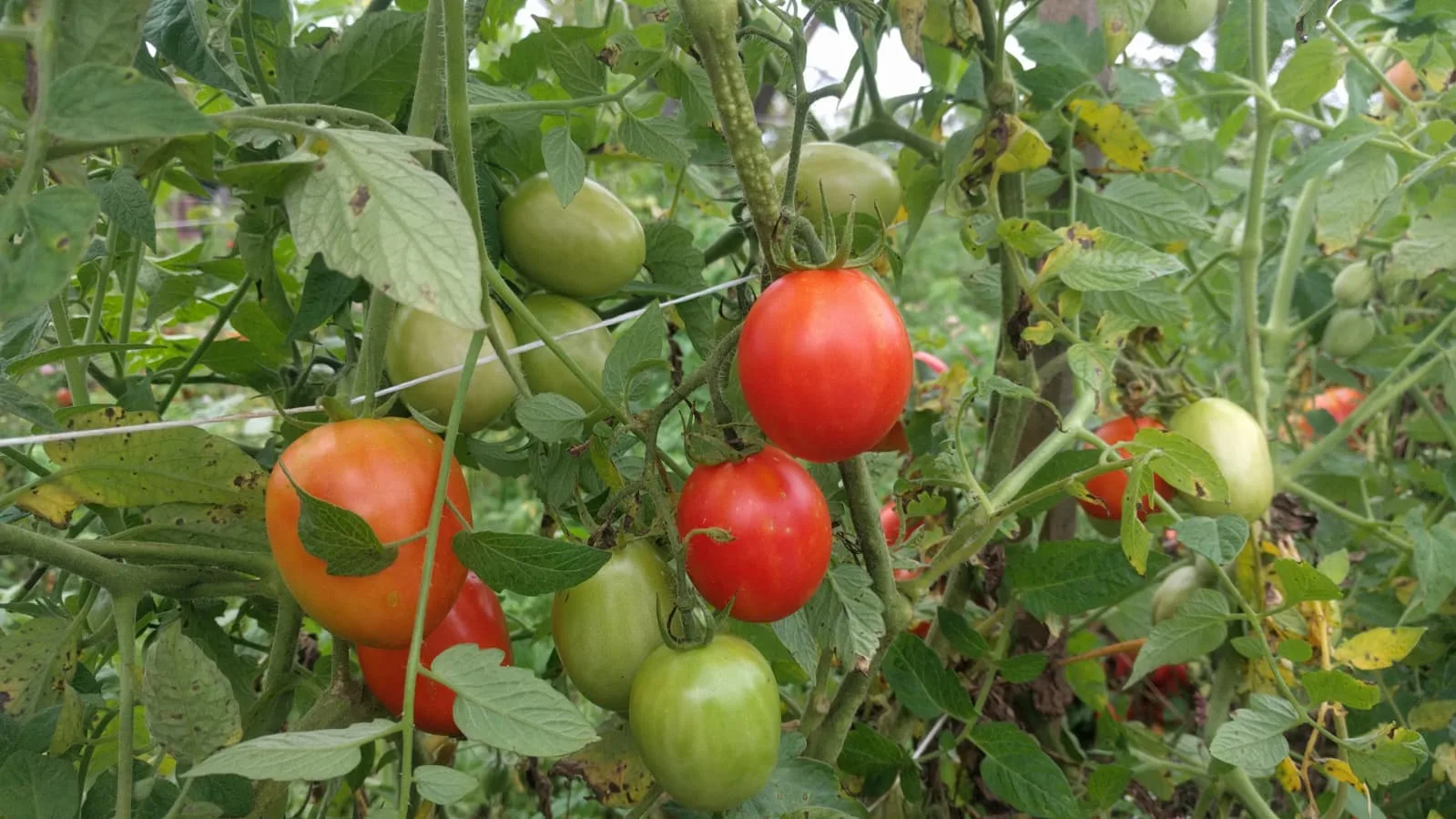
Canning Tomatoes on SALE: Chemical-free Heirloom, Vine & Sun Ripened Second Grade, with some imperfection, Ideal for canning
Vine-ripened fresh chemical-free field-grown (not green house) hand-picked tomato harvest with heavenly aroma! Unrivaled taste, price and nutrition as compared to more expensive organic store brands.
Learn moreJuly – September (if not sold out)
Our regular price $3.50/lb. · Organic stores $3.99-$5.99/lb.
Save more as you order more
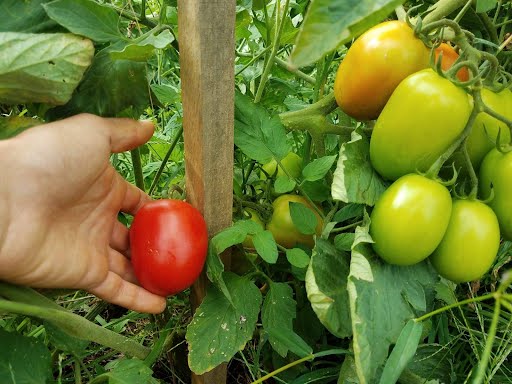
Fresh Tomatoes on SALE: Chemical-free, Vine & Sun Ripened (Grandma Mary, "Amish Sandwich", Titus varieties)
Vine-ripened fresh chemical-free field-grown (not green house) hand-picked tomato harvest with heavenly aroma! Unrivaled taste, price and nutrition as compared to more expensive organic store brands.
Learn moreJuly – September (if not sold out)
Our regular price $3.50/lb. · Organic stores $3.99-$5.99/lb.
Save more as you order more
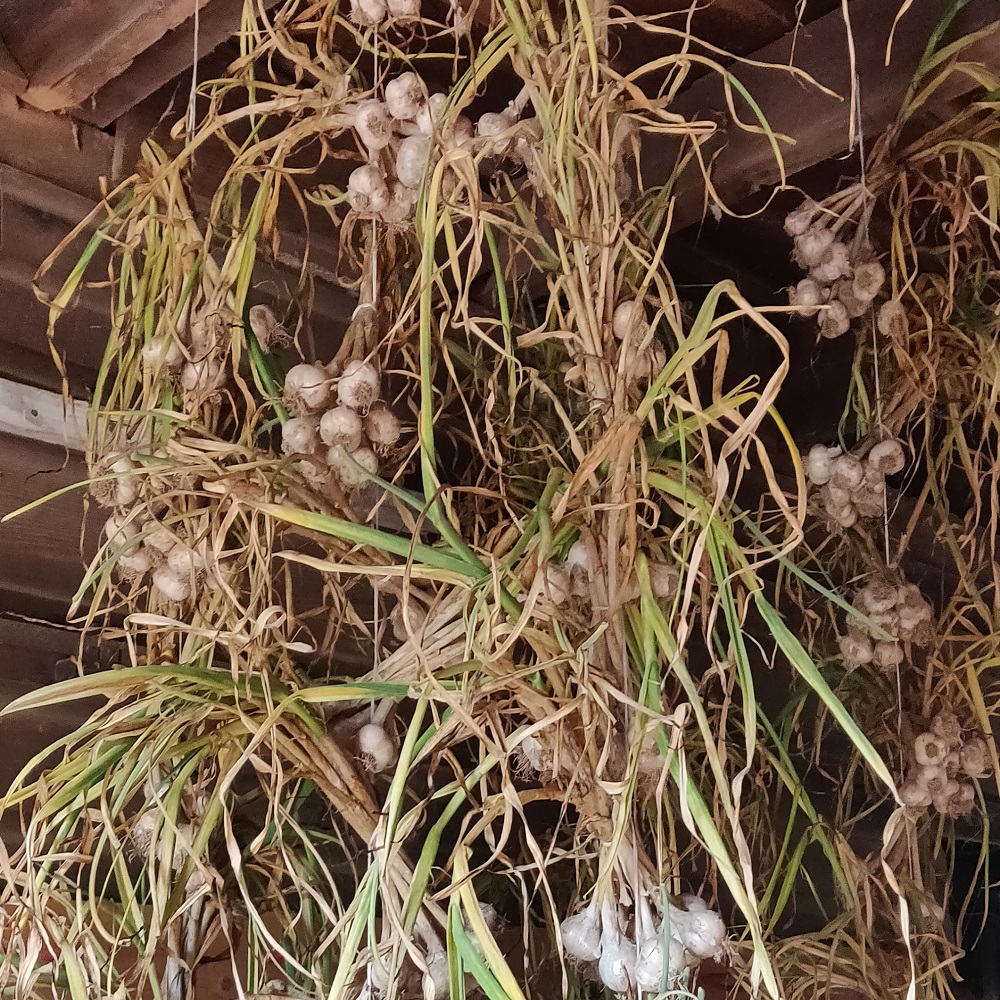
Garlic, No Chemicals, Plastic Film or Fertilizers: A Potent Blood Modifier and Antibacterial Agent
Never buy cheap sprayed garlic. Our chemical-free, plastic-free, hand-cultivated garlic with medicinal properties offers better taste and price than store brands. See description to learn why "Natural" and Wild garlic were called "Worth more than Gold" by ancient Sanskrit texts, "Universal Remedy" by Bower manuscript and "Russian Penicillin!" by Russian Army in World War II.
Learn moreJune – Next January (if not sold out)
Our regular price $14.95/lb. · Organic stores $18-$28/lb.
Save more as you order more
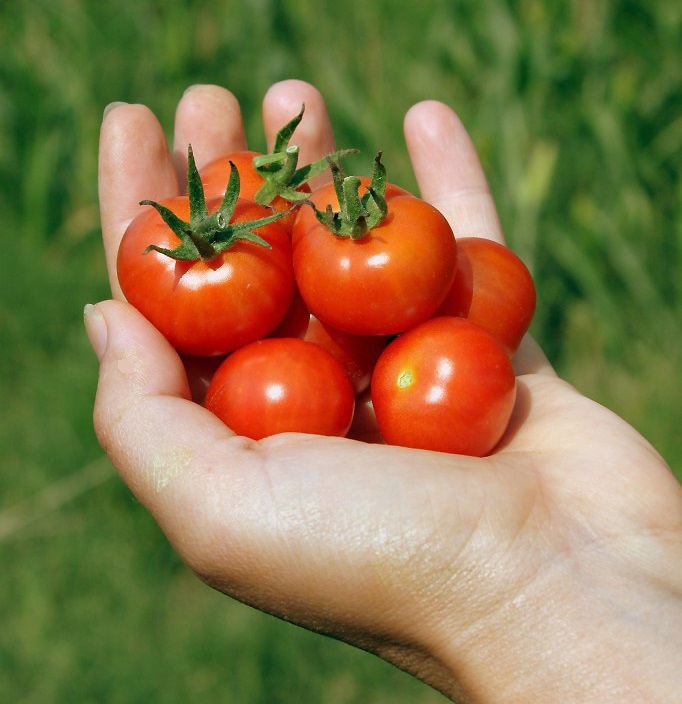
Cherry/Grape/plum Tomatoes on SALE: Yellow or Red, Chemical-free, Vine and Sun Ripened, Hand-picked Fresh and Local.
Chemical-free, Plastic-free, Vine-ripened, Hand-picked. Excellent as a Healthy Snack or Salad Topper. A Tasty Mouth-Watering Treat!
Learn moreJuly – September (if not sold out)
Our regular price $4.99/lb. · Organic stores $6-$8/lb.
Save more as you order more