Good garlic grown without chemicals or plastic, used in moderation, offers powerful medicinal properties without some of the common side effects
Garlic, No Chemicals, Plastic Film or Fertilizers: A Potent Blood Modifier and Antibacterial Agent
💚 Buy 5 lb. or more and pay $11.95 per lb. — save $3.00 per lb off the regular price ($1.00 more than the sale price)
Never buy cheap sprayed garlic. Our chemical-free, plastic-free, hand-cultivated garlic with medicinal properties offers better taste and price than store brands. See description to learn why "Natural" and Wild garlic were called "Worth more than Gold" by ancient Sanskrit texts, "Universal Remedy" by Bower manuscript and "Russian Penicillin!" by Russian Army in World War II.
Compare our prices to organic store prices
Season & availability
Available starting
June
Available until (if not sold out)
Next January (if not sold out)
Typical window: June – Next January (if not sold out)
Sold by the lb. — order in 0.5 lb. increments (min 0.5 lb.).
About this product
The REAL Garlic! Locally grown in Pennsylvania WITHOUT plastic films, NOT bleached, imported or fumigated with chemicals. Compare to more expensive non-local organic garlic varieties in stores, grown with plastic films. Be Wise and do NOT Waste your Money on Cheap bleached or fumigated Garlic. When Charaka Samhita, the ancient Sanskrit text of Ayurveda said: “But for its unpleasant odor, garlic would be costlier than GOLD!” It referenced REAL (unadulterated) garlic like those pictured here, our fresh-harvested garlic being cured/dried, hand-picked and grown chemical-free using organic regenerative methods. Also, when in 1858, Louis Pasteur (the father of germ theory) discovered that garlic killed harmful bacteria, it was the real garlic and not the "bleached, fumigated and sprayed" garlic mostly available in stores today. Pasteur also noted that garlic killed Helicobacter pylori (responsible for stomach ulcers). Garlic was also famously used in the treatment of German soldiers during World War I, and although penicillin was already in use by the second World War, the Russian Red Army continued using garlic and it was apparently renamed there as “Russian penicillin” or just “natural antibiotic.” The following summarizes some important facts about garlic everyone should know before using it as a magic miracle food worth its weight in gold!
Chemical-free locally farm-fresh garlic costs more than fumigated mass-produced bleached garlic because growing quality garlic takes time and is extremely labor intensive compared to growing other crops, particularly if one is growing organic garlic. Chemical-free regenerative farmers like ours avoid using chemicals and rely on labor-intensive natural methods and do almost everything by hand, including seeding, planting, snipping the garlic scapes /flowers, weeding and using natural mulch (hay, grass clippings or straw), picking, curing and packing the garlic. When something is so fastidiously grown and cared for, you can guarantee no short cuts have been taken. No sprays, no chemicals, just fresh garlic.
Imported (not farm-fresh) cheaper garlics are often sprayed with chemicals to prevent sprouting during storage and transit, and even bleached with chlorine to make it look white (perfect in the eyes of some consumers). Some garlic is also fumigated with methyl bromide, high doses of which can cause respiratory and central nervous system damage.
Garlic has long been revered for its diaphoretic, expectorant, antispasmodic, antiseptic, bacteriostatic/antibiotic, antiviral, antihelminthic and hypotensive effects as evidenced by ancient writings from Egypt, Greece, China, Iran (Persia) and India extolling its merits. According to the Bible, the Jewish slaves in Egypt were fed garlic and other allium vegetables, apparently to give them strength and increase their productivity, as it was believed to do for the indigenous Egyptian citizens. Historically, people doing hard labor outdoors were advised to consume garlic to prevent heat stroke and high blood pressure. There is also evidence that during the earliest Olympics, which originated in Greece, garlic was fed to the athletes before they competed.
Garlic is observed to have a diuretic effect. It is possible that the mobilization of fluid from the extravascular space may have been due to improved cardiovascular function resulting from garlic treatment. It is now well recognized that garlic, appropriately used, will reduce blood pressure, improve elevated serum cholesterol, decrease platelet aggregation, and protect vascular endothelial cells from damage by LDL cholesterol; all of these effects are of potential cardiac benefit.
Although some Indian Brahmins and yoga practitioners avoid garlic because of its aphrodisiac properties increasing sexual desire (improve blood flow)1, ancient Sanskrit texts of Ayurveda, such as Charaka Samhita, recommend garlic for the treatment of heart disease and arthritis. In another ancient medical text, known as the Bower manuscript (named after its discoverer, Hamilton Bower), garlic was used for fatigue, parasites, digestive diseases and leprosy and hence called the “Universal Remedy.”
Garlic is commonly used to treat chronic bronchitis and other upper respiratory tract infections and influenzas. Evidence supports the protective effects of garlic in stomach, colorectal, breast cancer in humans, possibly related to the presence of organosulfur compounds, predominantly allyl derivatives, which also have been shown to inhibit carcinogenesis in forestomach, esophagus, colon, mammary gland and lung of experimental animals. Garlic is believed to induce cancer cell death by apoptosis, autophagy, or necrosis. Besides organosulfur compounds, garlic is rich in trace elements (zinc, magnesium, copper, selenium, and iodine), protein content, dietary fiber, vitamins, ascorbic acid, and polyphenols.
Garlic, especially when fresh (not cured), might increase the risk of bleeding and low blood sugar levels so it should be avoided before invasive surgeries that involve bleeding. Also, because of its diuretic effect, garlic may not be suitable for people with low blood pressure, blood clotting issues, anemia, or low blood sugar levels (hypoglycemia).
In recent times, with the advent and heavy marketing of commercial (synthetic) antibiotics and blood pressure medications, garlic has been slowly sidelined as the “Universal Remedy” recommended by the Bower manuscript. Derogatory terms like “garlic-eater” are used in reference to people who generously use garlic in their food such as Jews and Italians. The wise, however, would pay attention to Charaka Samhita, the ancient Sanskrit text of Ayurveda “But for its unpleasant odor, garlic would be costlier than gold!” and spend a few extra dollars in buying good farm-fresh organic or chemical-free garlic from local sources and make it a staple in their weekly food preparation (unless they belong to the minority mentioned above). Spending $15-$20 a month on a pound of "real" garlic is probably one of the best health investments a family can make (if they can find local sources of organic or chemical-free garlic). Another option is to grow your own garlic if you have the time, interest and good soil.
Other Good Educational Resources:
https://www.frontiersin.org/articles/10.3389/fnut.2022.929554/full
https://simplescience.substack.com/p/learn-these-facts-before-using-garlic
https://www.sciencedirect.com/science/article/abs/pii/S0261561421001448
You might also like
More in-stock produce ready to order.
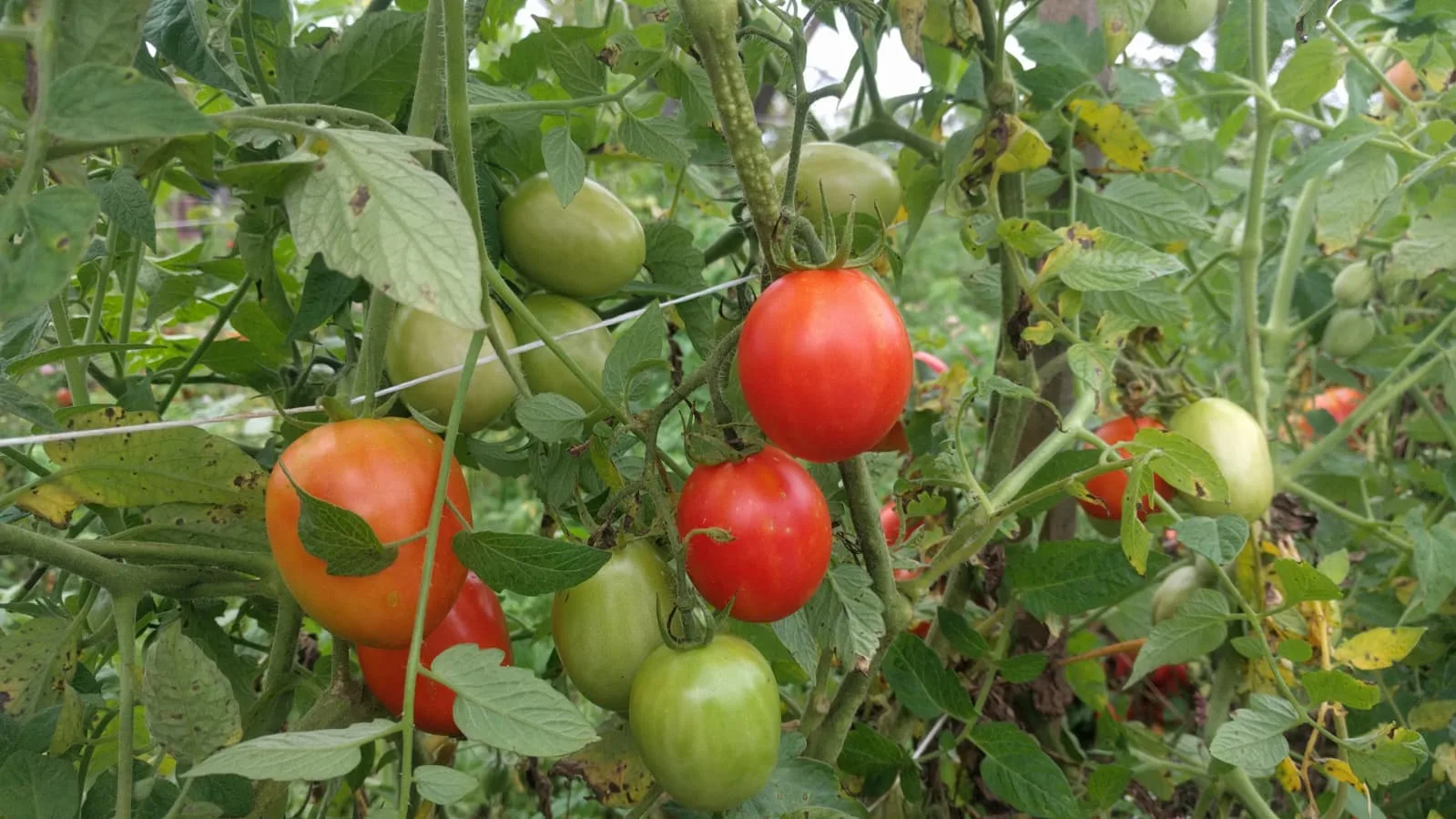
Canning Tomatoes on SALE: Chemical-free Heirloom, Vine & Sun Ripened Second Grade, with some imperfection, Ideal for canning
Vine-ripened fresh chemical-free field-grown (not green house) hand-picked tomato harvest with heavenly aroma! Unrivaled taste, price and nutrition as compared to more expensive organic store brands.
Learn moreJuly – September (if not sold out)
Our regular price $3.50/lb. · Organic stores $3.99-$5.99/lb.
Save more as you order more
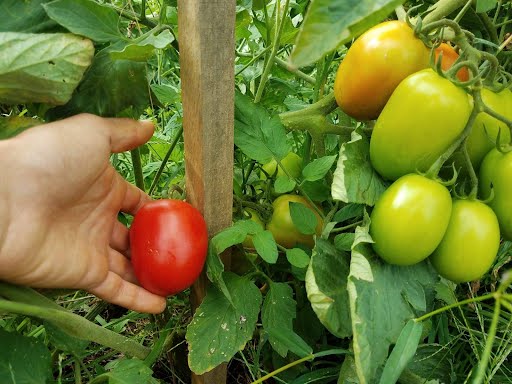
Fresh Tomatoes on SALE: Chemical-free, Vine & Sun Ripened (Grandma Mary, "Amish Sandwich", Titus varieties)
Vine-ripened fresh chemical-free field-grown (not green house) hand-picked tomato harvest with heavenly aroma! Unrivaled taste, price and nutrition as compared to more expensive organic store brands.
Learn moreJuly – September (if not sold out)
Our regular price $3.50/lb. · Organic stores $3.99-$5.99/lb.
Save more as you order more
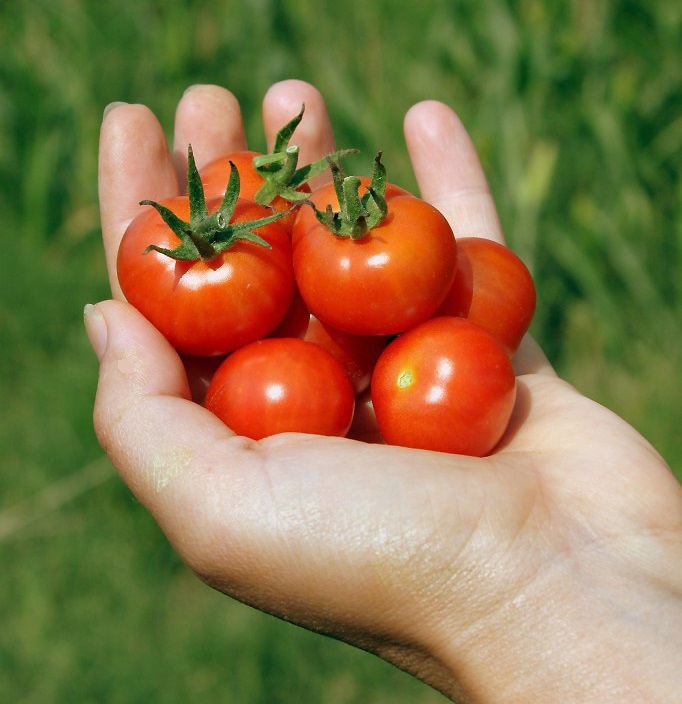
Cherry/Grape/plum Tomatoes on SALE: Yellow or Red, Chemical-free, Vine and Sun Ripened, Hand-picked Fresh and Local.
Chemical-free, Plastic-free, Vine-ripened, Hand-picked. Excellent as a Healthy Snack or Salad Topper. A Tasty Mouth-Watering Treat!
Learn moreJuly – September (if not sold out)
Our regular price $4.99/lb. · Organic stores $6-$8/lb.
Save more as you order more

Pennsylvania Pecans, Raw Shelled ,Chemical-Free, The Heirloom Tree on an Amish farm Never Sprayed
A rare find and a great value: Hand-picked and shelled pecans from a healthy Pennsylvania tree on an Amish family farm, never sprayed, not grown in large commercial sprayed mechanized groves.
Learn moreJune – September (If not sold out)
Our regular price $14.99/lb. · Organic stores $19-23/lb.