
The Puzzle of Testosterone, Estrogens and Steroid Hormones Controlling Our Weight, Hair, Fertility and Health
Eye-Opening Facts Biohackers and Short-cutters Often Miss!
What are hormones? Why are they so critical in control our weight, fertility, hair, skin, mood and overall health? I had all these questions when I faced health issues years ago. I wish my doctors and the famous “longevity” influencers I used to follow would share with me what I am sharing in this article with you. There is a lot of confusion and complex misinformation about hormones because like all other things related to our health, it’s big business. Yet, once we understand the basics, it’s really not that complex. You don’t have to memorize the names of hormones. It’s just important to understand their role and interconnections (conversion) and relationship to our food, behaviors, lifestyle, and environment. I have highlighted important takeaways in yellow.
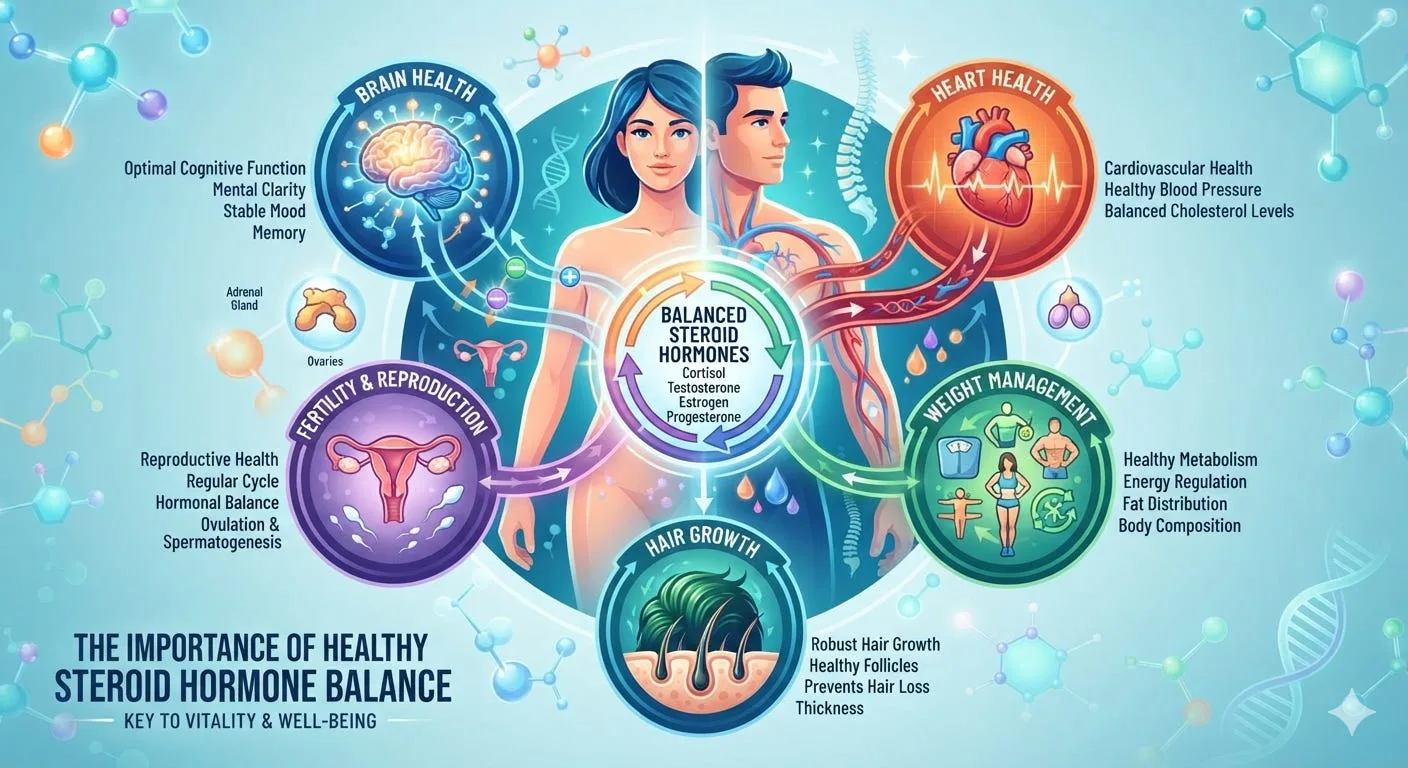
What are Hormones?
Our body needs to constantly budget its precious energy among all sorts of energy-consuming functions including growing (muscles, hair, fresh skin, height, weight), fighting (external threats, psychological threats of internal infections and pathogens) and healing, reproducing (fertility, gestation). Even the process of digesting food, which the body metabolizes into energy, itself is energy consuming, so we actually may lose some energy (vitality) after eating foods that use more energy to metabolize than they release!
Our body relies on hormones, which are molecules circulating in the blood as messengers to different organs on how to regulate functions. For example, when the body senses extra glucose (sugar) in the blood (after eating food), it releases insulin (from an organ called pancreas) which is the hormone signaling our cells to increase their uptake of glucose (sugar) to either burn or store as energy for future functions.
Science today is complex, sponsored for profit and politicized. Guided by his God-given conscience and not politics/profits, Ray Armat, Ph.D. is an unsponsored polymath, former NASA grantee and an independent farmer, sharing useful uncensored simplified science with the public. Encourage him by sharing his articles and subscribing (free or by donation).
Hormones are categorized into three main chemical types:
- Peptides and Proteins: The most abundant category of hormones, include the following:
- Amino Acid-Derived Hormones: Modified from single amino acids like tyrosine (that’s why having a healthy source of that amino acid in the diet plays a major role in balancing these hormones). Well-known examples are thyroid hormones and adrenaline and others listed here:
- Steroids Hormones: These are derived from cholesterol and include sex hormones (estrogen, testosterone) and adrenal cortex hormones (cortisol). Unlike peptides, these are lipid (fat)-soluble (they are derived from fatty cholesterol), which means they can pass directly through the cell membrane and impact it at the gene level. As a result, steroid hormones can cause fundamental “longer-term” changes in the way body manages energy. For example, estrogens have direct feedback not only on the fertility cycles but also on the fat storage in the body, both for men and women. In this article, I will focus on steroid hormones because of their importance as “long-term” metabolic switches in the body.
Steroid Hormones: Stress and Sex Hormones Regulating Fertility, Muscles, Fat, Hair and Sex
Many of our so called steroid hormones, including sex hormones androgens (like testosterone), estrogens (like estradiol) and stress hormones (Glucocorticoids like cortisol) as well as Vitamin D (that’s why many scientists call Vitamin D another steroid hormone!), are made from the circulating cholesterol in our blood. As you see in the chart below. Biochemically, cholesterol is closer to “progesterone” which then can convert it to cortisol (stress hormones) or androgens (male hormones like testosterone) which can then convert to estrogens. In a separate but parallel path, cholesterol, with the help of sunlight, liver and kidney can help our body form Vitamin D (I won’t discuss this here further but you can find more about Vitamin D in my article Vitamin D: Mouse/Pet Killer or COVID-Fighter?).
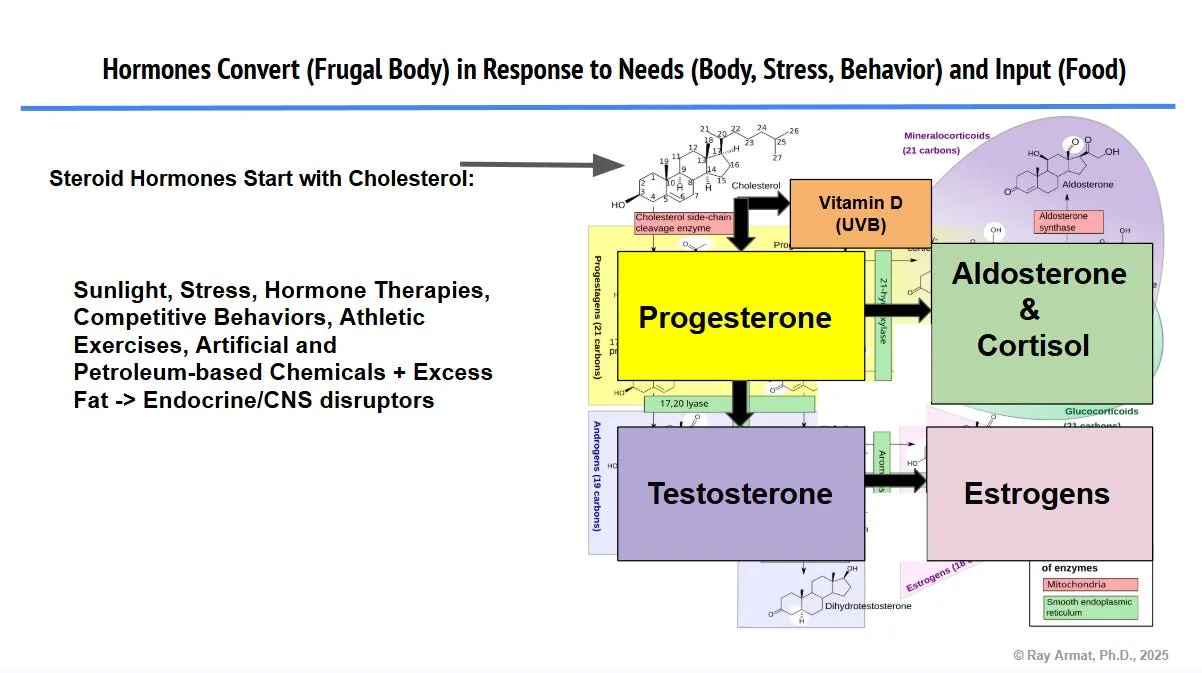
It all starts with cholesterol (the fat molecules) which (under our skin) exposed to sunshine (UV rays) converts to Vitamin D, or it can follow the path to form progesterone first. This shows that Vitamin D (in regulating calcium metabolism) and Progesterone (in maintaining pregnancies, when they happen) were probably evolutionarily more essential than many other hormones. In fact, progesterone activates cells in bones called osteoblasts, responsible for creating new bone matrix. Progesterone, also competes with cortisol (the stress hormone) in binding to bone cell receptors, thus preventing the usual bone degradation caused by chronic cortisol/stress overload. So it appears that:
Cholesterol (built from metabolic molecules derived from the breakdown of sugars, fats, and proteins from food) in the form LDL and sunshine are the starting point of healthy calcium metabolism, bone density and fertility. This is why new research shows moderately high levels of LDL cholesterol (the old name for this was bad cholesterol), if balanced with HDL and not converted to triglycerides, is actually beneficial to the hormonal (steroid) and calcium metabolism (bone, teeth, hair, nerves) health (see more in my articles What did the Scientist who Discovered Statins Do for His Own High Cholesterol? and Will Fat-free Milk Fatten Humans like it Fattens Pigs?)
Vitamin D and Vitamin K (fermented food like Kefir or sauerkraut, or raw milk from healthy animals, as explained in my milk articles) plays a key role in bone and teeth health, neuromuscular and muscular functions, and immune system (through receptors on T-cells, B-cells, and macrophages). Other important regulators of how calcium is used in our baseline normal metabolism and growth functions (hair, etc.) are hormones released by the thyroid and parathyroid glands.
Progesterone can be easily converted to corticoids (like cortisol) and/or testosterone depending on our body’s wisdom of hormonal balance to meet its energy/metabolic needs. For example, as our body feels more stressed (physical or psychological), to raise levels of glucose and sodium in the blood, needed for maintaining blood pressure and energy delivery to cells in times of crisis, more cortisol (and mineral corticoids like aldosterone) is needed at the expense of sex hormones (female estrogens and male testosterone, both controlling fertility) and Vitamin D. This is shown as “Cortisol Steal” in this diagram, leading, as I explained in The ROGUE Brain to weaker bones (osteoporosis, due to Vitamin D and calcium dysregulation), constipation, sleep disorders, infertility, low libido and many other heath issues.
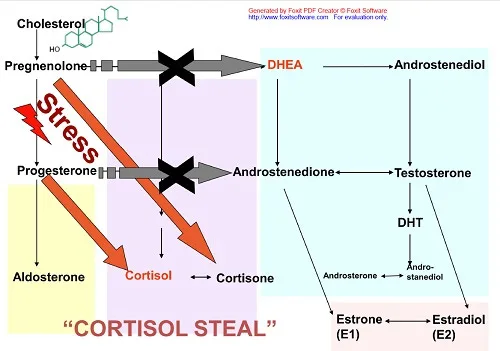
So testosterone levels and cortisol levels are often are at odds with each other, which may explain the gradual but steady decline of sperm counts and fertility in men over the past few decades.
What Happens to Testosterone?
Like all other steroid hormones, testosterone can convert to other hormones, or be used in organs (muscles, prostate, skin and hair, etc.).
Testosterone, is our body’s signal for competitive, muscular and masculine stress (energy needs). Competitive activities will promote the pathway to produce testosterone, which, can have three fates:
- Just Enough Testosterone (Energy) for Fertility and Regular Competitive Muscular Activities and Growth. This is called the Direct Pathway and happens when there is a balance between supply and demand for testosterone, which is used up naturally and directly during fertility, growth and actual competitive “muscular” activities, like wrestling, old-style farming (compete against natural forces).
- Too Much Testosterone or Lack of Needs for Growth, Fertility and Muscular Activities. This is the “Conversion to Estradiol (the female hormone)” path. If not used up naturally and directly, testosterone will accumulate in fat (adipose) cells. Fat cells contain aromatase, an enzyme that coverts excess testosterone to estrogens, sometimes leading to feminine traits and features like gynecomastia (man breasts) seen on some very competitive but physically inactive men like some famous billionaires and millionaires. Aromatase conversions also occur in bones and the brain.
- Not Enough Testosterone During Puberty, or Poor Blood Flow, Thick Blood, Chronic Stress, Animal Protein and Fat. These conditions can lead to Testosterone Amplification pathway, in which the body converts testosterone into dihydrotestosterone (DHT), a much more potent androgen responsible for masculinizing traits during puberty (growth of the penis, prostate, facial hair, body hair, and deepening of the voice, etc.). But beyond puberty, stimulation of DHT is linked to problems such as male pattern baldness (Androgenetic Alopecia, and shrinkage of hair follicles in the scalp) and prostate enlargement.This pathway will be upregulated (encouraged) with high-intensity, compound weightlifting, animal-derived proteins (such as red meat, poultry, and dairy), which provide branched-chain amino acids (BCAAs) and saturated fats that promote DHT production in the prostate and skin. Diets rich in refined carbohydrates combined with high protein intake also cause frequent insulin spikes and DHT production. Because chronic stress and systemic oxidative stress (poor sleep, bad food, unhealthy lifestyle, environmental toxins, etc.) can harm testosterone levels, the body may resort to amplification of the remaining testosterone into DHT (especially in the prostate and/or skin). Poor blood flow (aggravated by smoking, sedentary lifestyles and thick blood) can exacerbate DHT formation because of the poor microcirculation and slow/inadequate testosterone flow. On the other hand, Phyto (means plant) estrogenic proteins as in soy, tempeh, red clover, alfalfa, flaxseeds and sesame, contain high amounts of phytoestrogens that suppress the DHT pathway. Many plastics and artificial dyes and food additives are also phytoestrogenic and can suppress the DHT pathway.
What Happens to Estrogens (Female Hormones)?
Similar to men, in women, the growth and energy needs of the body also decide the best pathway to convert or utilize their steroid hormones. Estrogen encourages the storage of fat under the skin (subcutaneous), especially in the gluteofemoral (hips/thighs) areas for women of fertile age and in the abdominal and breast areas for men. The following can disrupt the natural estrogen/testosterone balance which supports fertility, bone density, neuroplasticity (learning, memory, and other cognitive functions), cardiovascular health, collagen production (skin elasticity, and moisture retention, mitigating signs of aging), and alleviating menopausal symptoms in women (such as hot flashes) and keeping vaginal tissue healthy to prevent pain and urinary tract infections:
- Chronic stress, as explained above, and “cortisol steal” which disrupts steroid hormones
- Many synthetic chemicals (additives in plastics, food, packaging, cosmetics, shampoos, industrial chemicals and pesticides, deodorants, metal cans lined with plastic layers, toothpastes, sunscreens, antimicrobial soaps, flame retardants in furniture and fabrics, and commercial meat and milk) that are structurally similar to estrogens and can fool the body’s estrogen receptors into sensing extra estrogen activity and thinking it’s pregnant (even in men, hence gynecomastia, or men breasts already mentioned). This could trigger fat (energy) storage pathways in the body which are actually not needed to meet the needs of a real embryo, hence leading to weight (adipose tissue) gain, more estrogens (see above about aromatase and fat cells), more fat cells, and so on and so forth. This dual chain-play of fat cells and estrogens, is an example of a runaway reaction in our body, or what I call (in my books) a broken feedback loop. A recent article in Science, identified 300 chemicals in blood samples from pregnant women in Germany. The authors found chemical mixtures, even at low concentrations, show “cumulative” neurotoxic effects.
- Being super competitive (like corporate executives) or muscular (like bodybuilders) could suppress the formation of estrogen (and odds of pregnancy) for the benefit of more testosterone. Also, lean, athletic and skinnier women may struggle with making enough estrogens because the aromatase enzyme that converts testosterones to estrogens is located in fat cells of the body.
So supercompetitive, lean and stressed women could face a double fertility disadvantage because of the increase in cortisol (cortisol steal and drying up of hormones in general) and higher testosterone, both drying up estrogens. Super-lean ladies (A body mass index, BMI of less than 20) can suffer in a different way by having too little adipose (fat) tissue and therefore, low estrogen enzyme (aromatase) activity leading to challenges in fertility and regular menstruation.
Imbalances in estrogen levels (in favor of testosterone) may also lead to deepened voices, and hirsutism, which is the technical term for excessive facial or body hair in women. I call this the female counterpart of gynecomastia (male breasts) in men.
Because of its unique steroidogenic capability, the adrenal cortex (above kidneys) has been suggested to be the most common and perhaps the most susceptible endocrine target organ for Endocrine Disrupting Chemicals.
The other common disease affecting many people is “adrenal fatigue” which follows the overloading of adrenal glands with simultaneous release of cortisol (in times of stress, infection, disease), testosterone (with competition and muscle building) and estrogens (during female fertility and fat storage).
The Need for Progesterone?
Estrogens and progesterone balance each other in many ways. One stimulates ovulation and another maintains pregnancy (progesterone is pro-gestation). They also have neurologically complementary functions in the brain and nervous system. An imbalance where estrogen is high relative to progesterone can lead to insulin resistance, higher blood sugar, and abdominal fat accumulation. Maintaining the delicate estrogen/progesterone balance (through suggestions in this article) is crucial for women 45 or older to avoid anxiety, heart palpitations, sleep and sexual dysfunctions.
Risks of Imbalances in Steroid Hormones and Synthetic Hormone Therapy
- When synthetic or excessive testosterone stimulates the body to overproduce red blood cells (to 50% or higher hematocrit levels), it can results in “thick” or high viscosity blood, blood clots and strain on our heart, brain and lungs. This may explain the association between anabolic steroid usage and hypertension (high blood pressure), coagulation (thrombosis and plaque build up) disorders, and cardiovascular disease (CVD) primarily myocardial infarction, fatal arrhythmias, and cardiomyopathy. This is perhaps why many top athletes, body builder and weight lifters are prone to heart attacks during stress or infections. Generally, oral or synthetic steroids — such as those found in traditional hormone therapies (HT) and combined contraceptives and corticosteroids like prednisone or dexamethasone—are pro-inflammatory and elevate risks of blood clot and platelet aggregation, deep vein thrombosis, pulmonary embolisms, heart attacks and stroke in both men and women.
- Suppressed Immune System: As hormones that provide us with extra energy for fighting or competing, both cortisol and testosterone are immunosuppressive, which means they suppress our immune system (which would need energy and slow us down to heal) for the benefit of fighting or competition. So chronic release of cortisol and testosterone (overstressed, over competitive folks) or synthetic treatments (hormone replacement therapies) can suppress our immune system at the same time they thicken our blood and strain our heart, lungs and brain. Not a good healthy combination! This could explain the high incidence rate of severe COVID-19 disease and mortality in fitness gurus.
- Steroid hormones don’t just promote cellular energy and growth functions; they influence genomic stability and the cell’s ability to repair DNA damage. An excess of steroid hormones or imbalances in their ratios (such as a high estrogen-to-androgen ratio in men) can overstimulate cell receptors, leading to rapid, unregulated cell division. In the prostate, testosterone imbalances fuels cancer growth, whereas, in breast and ovarian cancers, the primary drivers are imbalances in estrogens and progesterone. As a result, synthetic steroid and hormone therapies are associated with serious risks. For example, synthetic steroids can adversely alter cholesterol profiles and raise blood pressure in people. Large-scale data, including the landmark Women’s Health Initiative (WHI), linked synthetic progestins to an increased risk of breast cancer. Synthetic steroids like Progestins also have a negative impact on the performance of healthy women in working memory tests and serotonergic neurotransmission and thus potentially producing depressive symptoms, irritability, and mood disorders.
- While natural, balanced estrogen and estrogen/progesterone cycles drive fertility, excess or synthetic estrogen can cause infertility and act as a highly effective contraceptive that tricks the brain into thinking estrogen levels are constantly high and into blocking ovulation. Also, exogenous estradiol causes a decrease in the fraction of free estradiol, progesterone, and testosterone, which results in mood deterioration and changes in brain activity.
Maintaining A healthy Balance of Steroid Hormones
Based on what we learned above, it’s all about the supply and demand of energy in different organs in the body. Hormones are only signaling messengers:
- On the supply side, sunshine, healthy sources of calcium (that include Vitamin K) and a healthy cholesterol profile (high levels of HDL and low levels of Triglyceride) are starting points for healthy steroid hormones. Diets high in animal protein and fat will amplify testosterone into DHT (expedited puberty and hair growth in young males and enlarged prostate and baldness in older males) while fatty animal products (like chicken wings) and milk/dairy (cheese, butter, etc.) products from pregnant cows (common in America) can lead to estrogen imbalances in both men and women. In women, this can impact risks of breast and ovarian cancers or diseases.
- On the demand side, what dictates the balance of hormones are the body’s physical functions and energy/metabolic needs: Stress, competition (physical or mental), muscle building, fertility, etc. For example, as opposed to intensive muscle building indoors, slow outdoors activities like farming that require some muscular strength under sunshine, may be a more natural way to balance the supply and demand of testosterone in the body. Chronic stress and systemic oxidative stress (poor sleep, bad food, unhealthy lifestyle, environmental toxins, etc.) can harm testosterone levels and cause imbalances in several hormones.
- To avoid the DHT pathway, it’s best to avoid poor blood flow, thick blood, chronic stress, smoking, sedentary lifestyles, animal protein and fat, synthetic testosterones and hormone therapies. You can read my article to learn how to naturally thin your blood: Rat Poisons or Blood Thinners? Everyone Should Learn These Life-Saving Facts About Blood Flow; You May Not Hear this Eye-Opening Education at Your Doctor’s Office.
- Many many additives in foods, plastics, shampoos, deodorants, air fresheners, detergents and soaps could disrupt the natural balance of steroid hormones and artificially amplify estrogen and fat storage in the body, even as male breasts.
- Food sprayed with pesticides that are endocrine disruptors could also become hormone disruptors. The most sensitive foods are plants with high phytoestrogen content such as soy and other legumes (lentils, beans, peanuts) and seeds with high fact content (flaxseed, pumpkin seeds, sunflower seeds). Pesticides, fungicides, and herbicides heavily sprayed on conventional nut crops (like almonds, walnuts, and pistachios) contain chemical compounds like endosulfan or atrazine that lock onto your body’s estrogen receptors, disrupting natural hormone balance. Nuts and seeds also have a very high oil and healthy fat content that absorb synthetic hormone-disrupting pesticides.
- Hormonal imbalances can not only affect our weight, hair, growth, fertility and organs like prostate, breast and ovaries, but also our blood, hearts, brains, lungs and immune systems. Before you get screened for prostate, ovarian or breast cancers, it may be wise to look into natural ways you can balance your steroid hormones. In his books Mammography Screening: Truth, Lies and Controversy and Deadly Medicines and Organised Crime: How Big Pharma Has Corrupted Healthcare Dr. Peter C. Gøtzsche, a prominent Danish physician, researcher, and former leader of the Nordic Cochrane Centre, has documented how routine screening for both breast and prostate cancer causes significantly more harm than good and should be abandoned. This article is my gift to seekers like you. I have no sponsors. It takes time to research/write these articles to help others. I did my part. You can do yours by sharing the articles or subscribe (for free or as paid by donation) to expand our network of critical thinkersShare
My Other Related Work:
How Diet and Lifestyle Impact Women’s Fertility, Menstrual and Menopause Problems
The Right Way to Eat: A Handbook About Wholesome Food, by Ray Armat, Ph.D., 2024
The Rogue Brain: Understanding the Unruly Mind Behind Our Bad Habits, Anxieties, Diseases and Blind Spots, by Ray Armat, Ph.D., 2024
BCAA and saturated fat stimulate the mTORC1 pathway and spikes insulin-like growth factor 1 (IGF-1), which upregulates 5-alpha reductase enzyme that accelerates formation of DHT.
By inhibiting 5-alpha reductase enzyme, as opposed to animal-based proteins.