
The Amazing Sweet Potatoes! Nutrient-Packed When Grown the Right Way
A Healthy Choice for Anyone with a Sweet Tooth
I have already discussed the amazing benefits of potatoes as one of the lowest cost health foods in human history (This Low-Cost Crop is a Well-Kept Health Food Secret which Helped Civilizations Grow in Europe and America). Today, I will discuss another one of our farm’s crops, i.e., sweet potatoes, which outperform regular potatoes in some nutritional factors. For example, sweet potatoes are a great source of Vitamin A (beta-carotene) and have much higher content of fiber and vitamin C than regular potatoes (which are higher in potassium).
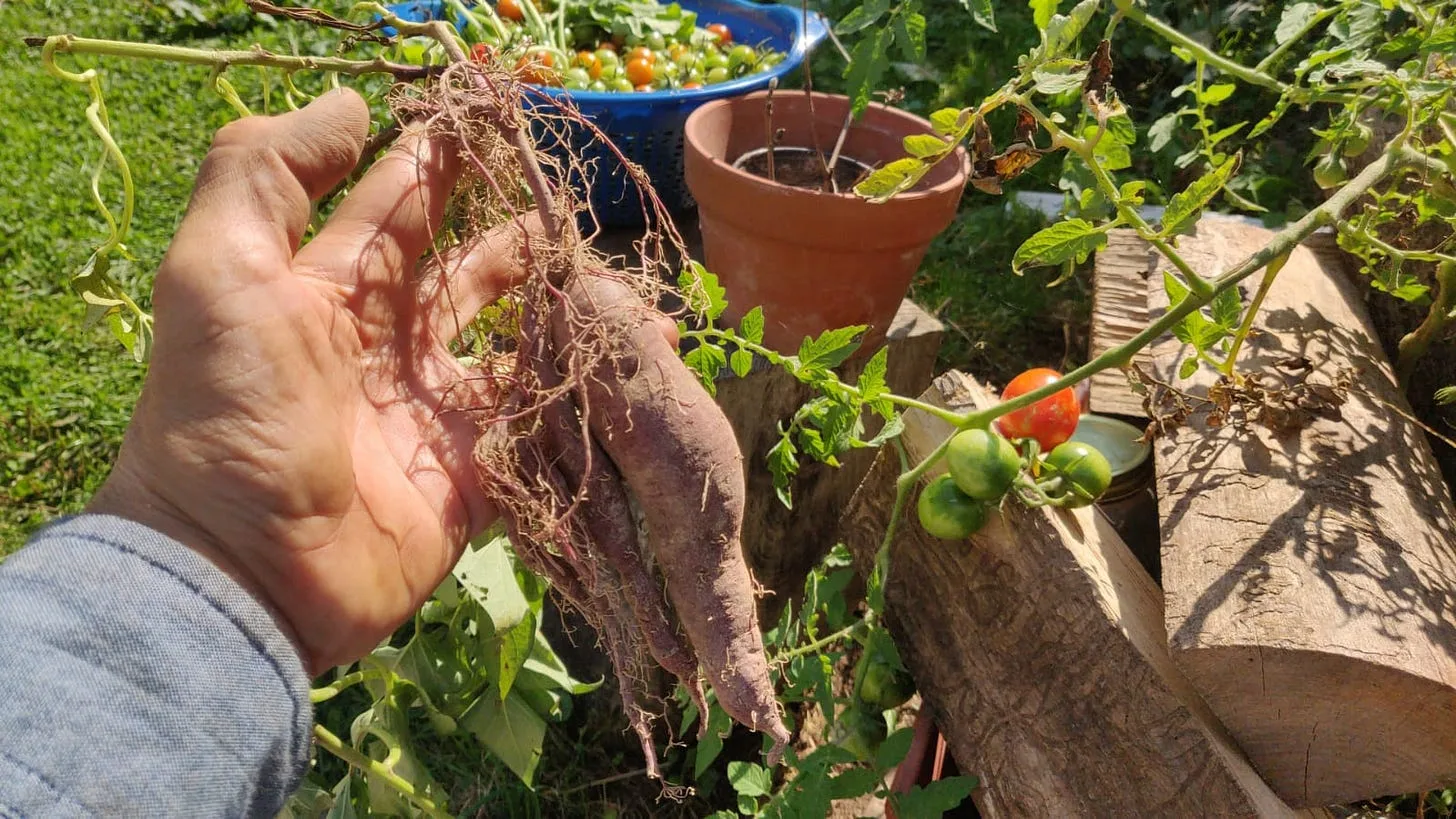
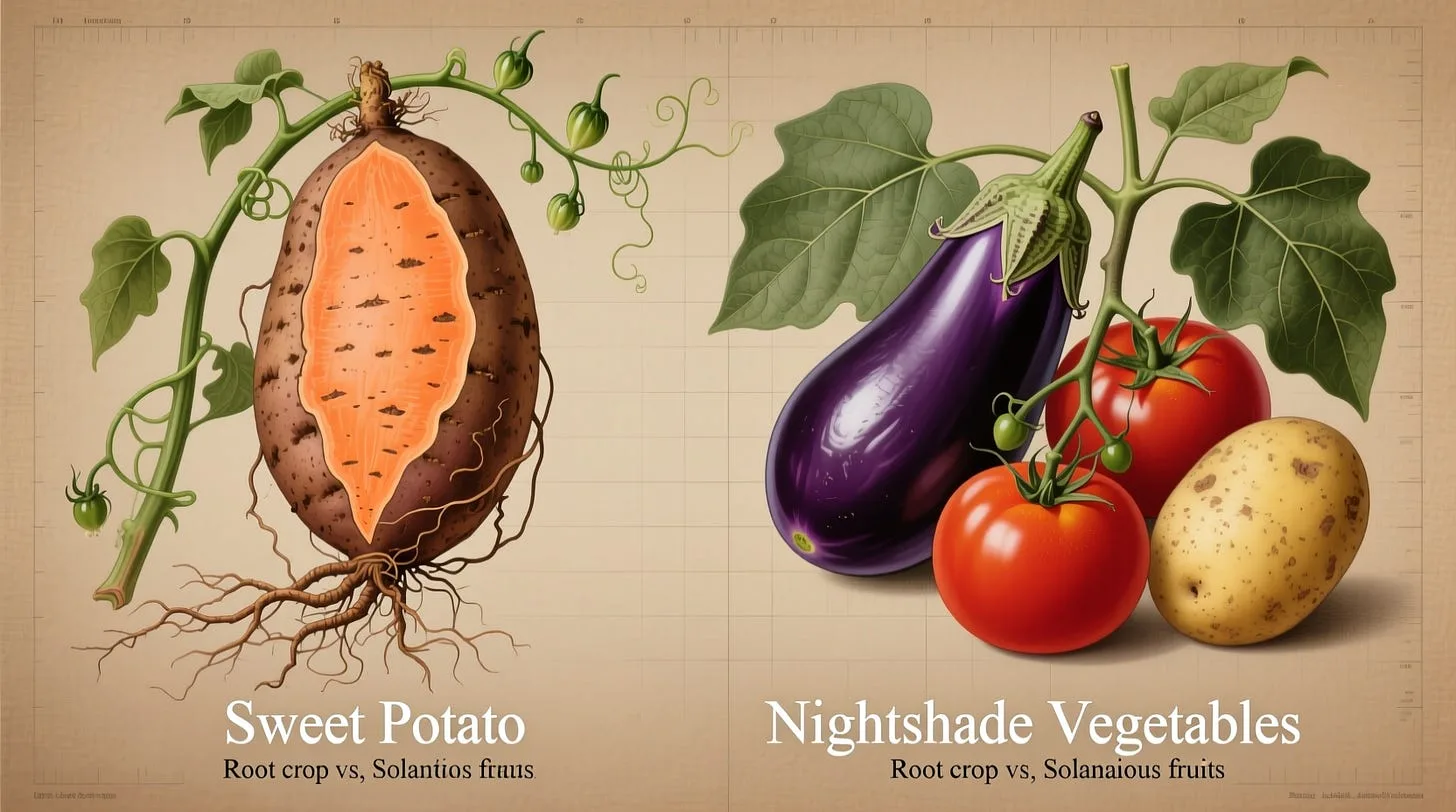
While regular potatoes are part of the Solanaceae (nightshade) family, sweet potatoes are tropical, vining plants in the morning glory (Convolvulaceae) family. They are considered a safe, nutrient-dense alternative for people with nightshade sensitivities.
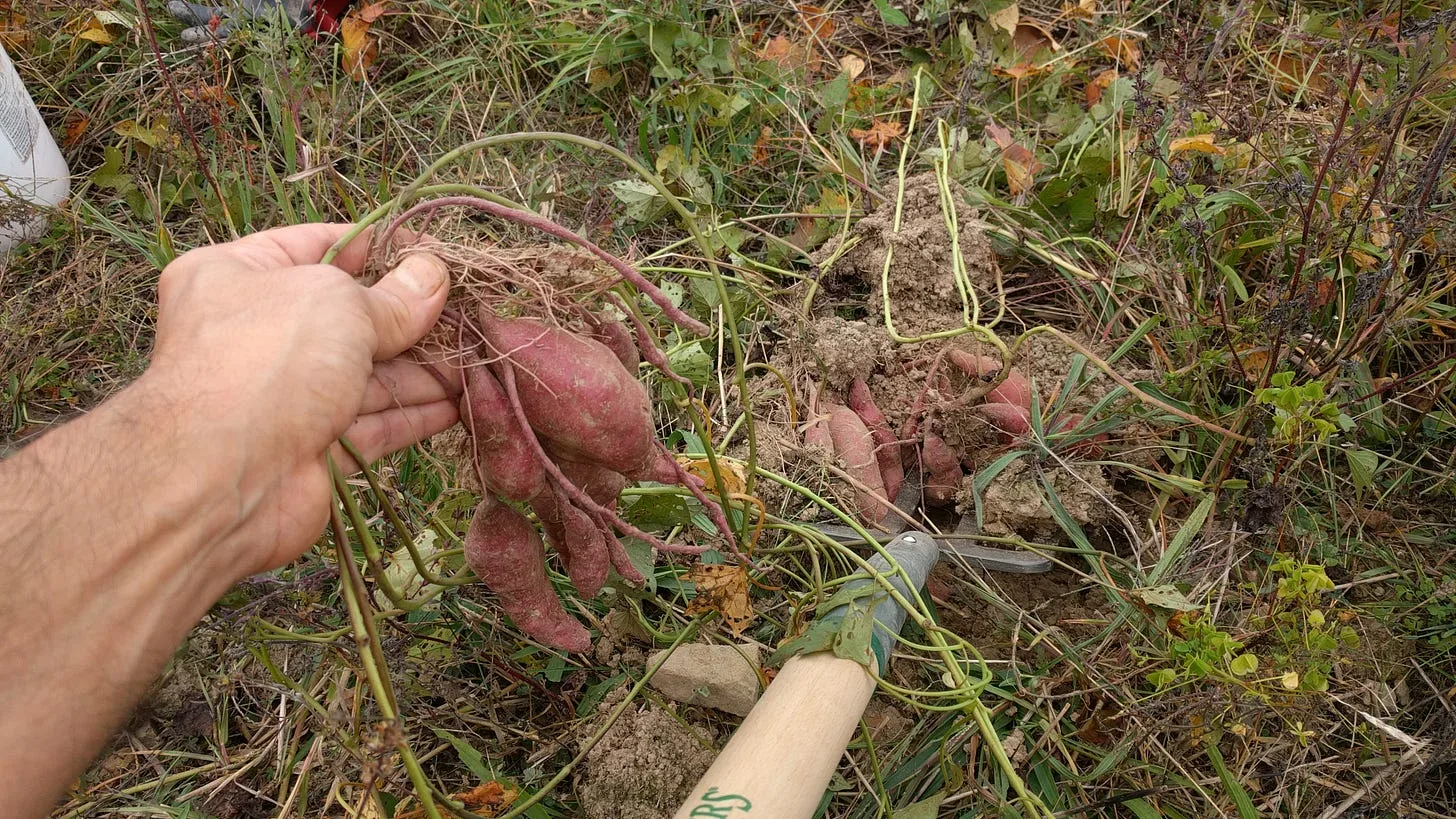
If not sprayed with pesticides, the insoluble fiber in sweet potatoes is a great prebiotic for beneficial gut bacteria.
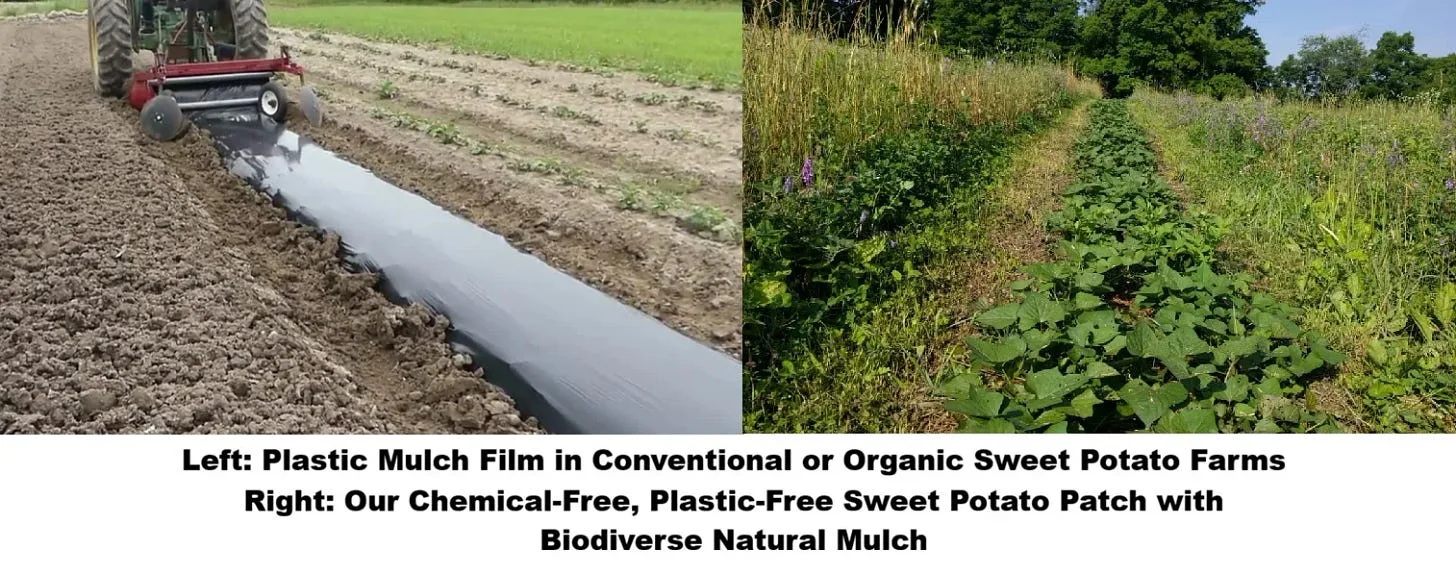
Although organic farming practices allow the use of plastic agricultural (mulch) films (as seen in the image on left), on our farm (check PennsylvaniaFarmFresh.com), we hand cultivate our sweet potatoes without any plastic films or chemical sprays because although higher soil temperatures, moisture and carbon dioxide generated by the plastic mulch can initially accelerate root development and the microbial breakdown of soil organic matter, over time it leads to oxygen starvation and carbon dioxide accumulation near the soil. This could expedite growth of anaerobic bacteria that can release toxic byproducts like methane or hydrogen sulfide that can suffocate/rot the plant roots. This type of so-called “sour soil” will have a weak compressible structure because it usually lacks glomalin (produced by aerobic fungi and bacteria). Also, because plastic films prevent rain water from reaching the soil underneath, they disrupt natural water cycles in the soil and direct water into the furrows between rows, leaving the soil directly beneath the film dry despite heavy rainfall.
Science today is complex, sponsored and politicized. Guided by his conscience and not politics/profits, Ray Armat, Ph.D. is an unsponsored polymath, former NASA grantee and an independent farmer, dedicated to share useful uncensored simplified science. You can encourage him by subscribing (free or by donation).
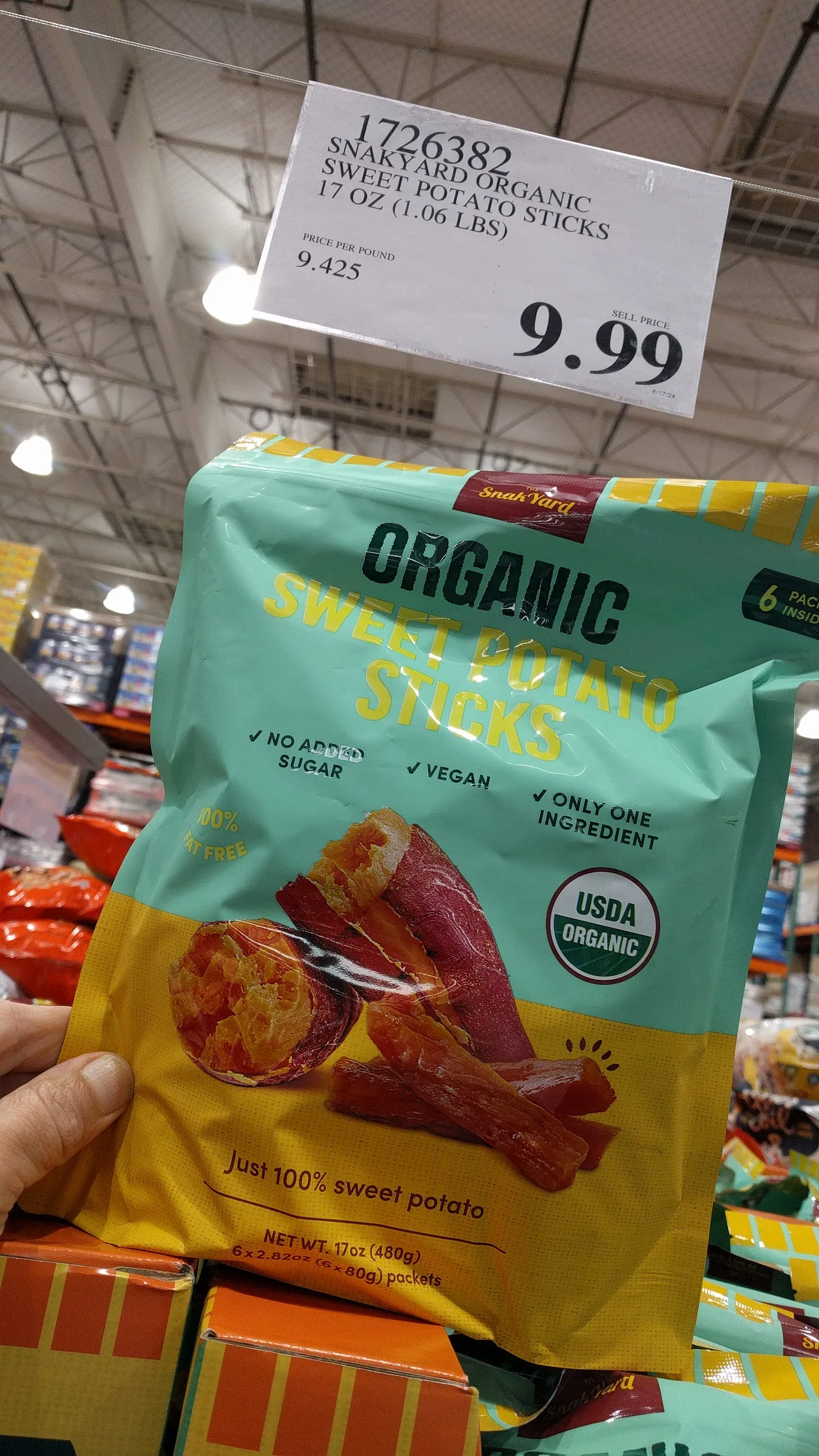
The result is amazing sweet creamy taste, texture and nutrition, easily baked (in hot water or oven) for a fraction of cost of its processed versions (like one selling at Costco for about $10 a pound, some four times higher than raw sweet potatoes sold on the farm. By the way, this is an image from a year ago. The price of the sticks are now around $12).
The sweet potato (I. batatas) originates in South America in what is present-day Ecuador. In Central America, domesticated sweet potatoes were present at least 5,000 years ago. Before the arrival of Europeans to the Americas, sweet potato was grown in Polynesia, generally spread by vine cuttings rather than by seeds.
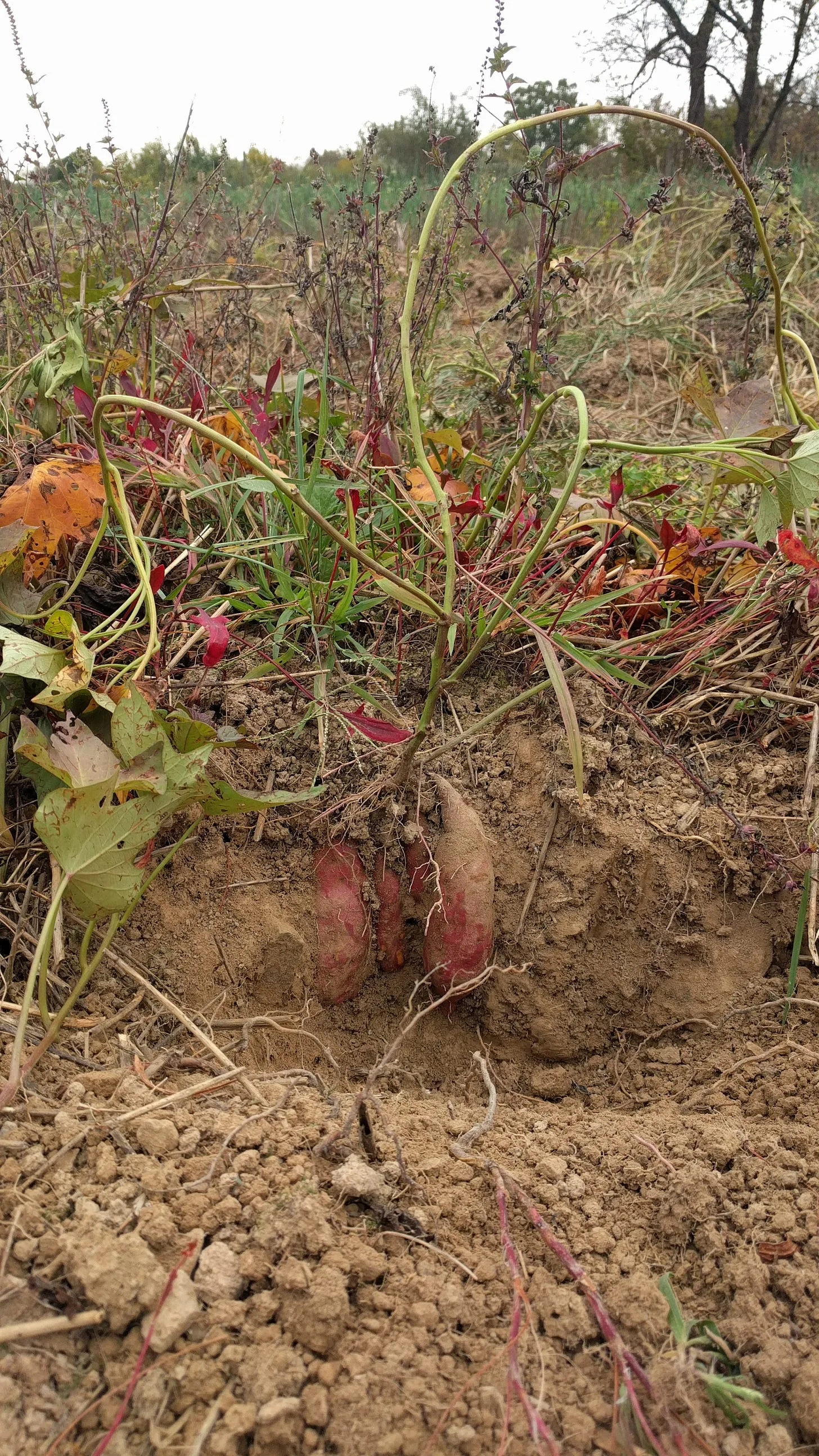
The plants are called “morning glories” because the flowers open before sunrise and stay open for a few hours. They close again in the morning and begin to wither.
Trivia:
- Morning glory “seeds” (Ipomoea tricolor, Ipomoea purpurea) contain ergoline alkaloids, primarily ergine (LSA, d-lysergic acid amide), which produce psychedelic effects similar to LSD, though generally less intense and more sedating. These compounds can cause hallucinations, euphoria, and intense introspection lasting 4–10 hours, but ingestion frequently causes severe nausea and physical discomfort.
- Young leaves of sweet potato plants are packed with antioxidant phytonutrients—including phenolic acids (like chlorogenic acid), flavonoids, beta-carotene, and anthocyanins—which help fight cell damage, reduce inflammation, support heart and eye health and regulate blood sugar.
Amazing Nutrient Density
Sweet potato is an edible storage root (specifically a tuberous root), not a stem tuber like the common potato. Sweet potatoes are packed with fiber (both soluble and insoluble), beta-carotene (pro Vitamin A), and vitamins B6, C and E.
The tryptophan in non-sprayed (chemical-free) sweet potato can convert, under stressful conditions such as high heat or drought, to melatonin (strong plant-based antioxidant, and regulator of immune system, mood and sleep in humans). The tryptophan in sweet potato, together with Vitamin B6, fiber, magnesium and iron and our healthy gut bacteria can produce serotonin, essential for our gut health and motility as well as relaxed (non anxious) mood and brain health.
Sweet potatoes also contain tyrosine and enzyme tyrosinase, which protect the plant against reactive oxygen species by forming melanin (nature’s colored pigments). These same molecules (tyrosine and tyrosinase) can protect our hair against early age-related oxidative damage and graying.
This article is my gift to seekers like you. It takes a lot of time to research and write these articles. I did my part. You can do yours by sharing the articles to expand our network of critical thinkers.
If you cannot grow your own sweet potatoes, it is best to buy them in bulk and dirty (not washed) from small chemical-free family farms. Dirt-covered healthy sweet potatoes keep well in moderate temperatures (50 ‘F cellars). You can wash them right before cooking them. You should read my article Are Dirty/Raw/Ugly Vegetables Better for us? The Wisdom of Keeping Vegetables in a Living State