
Root Causes of Mental Illness and Neurodegenerative Diseases, in Simple Terms: Part I
The Knowledge You Need to Prevent/Reverse Neurodegenerative Diseases
A simple AI search shows us that more than two thirds of Americans suffer from mental and neurodegenerative disorders including dementia/Alzheimer’s (at least 8 million), Parkinson’s, Multiple Sclerosis (MS), Autism, depression or anxiety, etc. Here I try to simplify some of the known root causes of these disorders instead of focusing on complex treatments and explanations. To prevent or reverse/treat any disorders, we need to first understand how it happened so this article is for patient folks who are not just looking for a quick patch. You can skip the process part and jump to the end (practical suggestions, in Part II), but please try to understand the process first because it will empower you to identify triggers of imbalances and disorders.
Life/Vitality Means Energy Exchange (Metabolism)
Energy is precious and the driving force behind all our functions, from thinking and remembering to moving, digesting food and fighting infections. The steady functioning of the human body, whether in the brain or organs like kidney or stomach, depends on achieving “metabolic” balance, which means proper transformation and distribution of “energy” amongst different organs. The network of communication channels that establish this energy transfer and messaging between organs are:
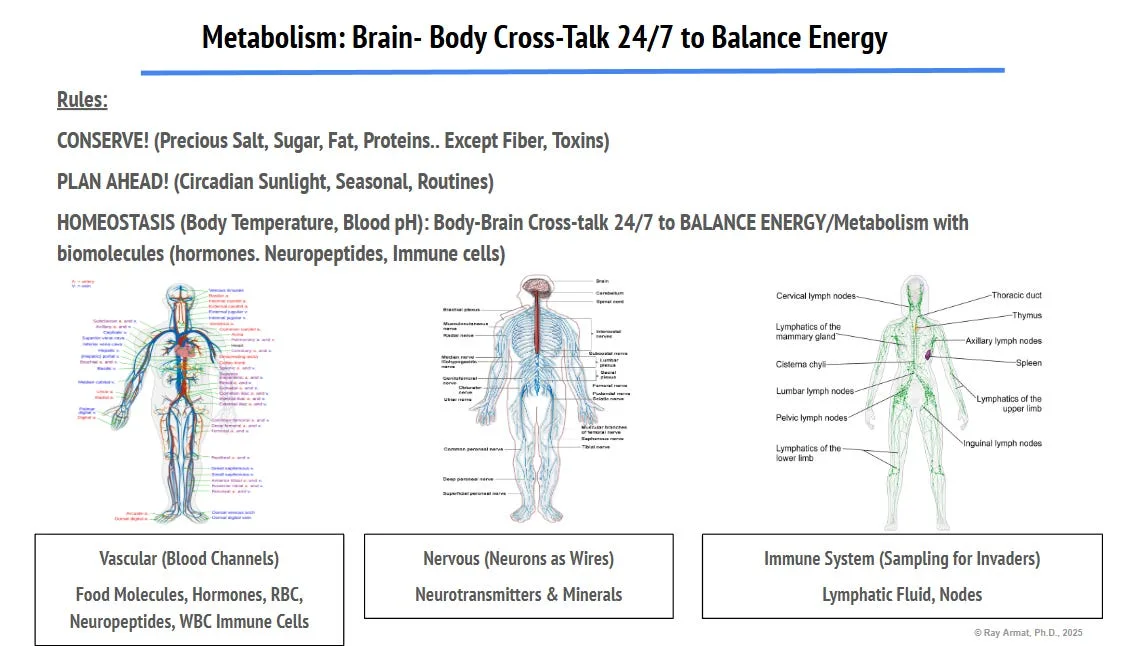
1: Blood vessels or Vascular System, transferring blood (that contains oxygen, glucose/sugar, fats) for our cells, including brain neurons, to use for energy. Hormones are metabolic signaling molecules. For example, Leptin is a hormone released when body has enough fat/energy storage to signal satiety and Insulin is released into the blood to signal high levels of glucose/sugar in the blood.
2: Nervous System: Neurons are like strands of wires connected by switches. Metabolic signaling happens in neurons with electrons (as in wires) using minerals (like calcium, potassium, sodium) and molecules called neurotransmitters such as dopamine (signals appetizing motivation, reward), serotonin (signaling steadiness, contentment), etc. To be effective in their electric/ionic signal transfer, neurons need coatings (like wires do) that prevent signal jumping and short circuiting of overlapping neurons. These fatty (white) neuron coatings are called myelin sheaths, which form the “white matter” in the human brain (the white encapsulation in the dissected brain). The neurons themselves, in the brain and throughout the nervous system, are gray colored, hence called the “gray matter.”
3: Immune System: A network of lymphatic nodes to sample blood for infectious agents and foreign invaders, and dispatch neutralizing agents (immune cells) to infection/invasion sites. In the brain, immune cells are star-shaped cells called microglial cells and astrocytes (Astro for star and Cyte for cells) that have tentacles onto neurons and constantly monitor them for toxins and infectious agents (see image below). In the human body, the Blood Brain Barrier (BBB) is the gatekeeper to make sure toxins do not enter the precious brain space. Main molecules allowed are oxygen, carbon dioxide, water, glucose, and amino acids (from proteins) and small, lipophilic (fat-soluble) molecules, including alcohol, nicotine, caffeine, and certain medications designed to enter the brain. Many synthetic lipophilic (lipid-soluble) chemicals, including pesticides also pass through the tight junctions of the BBB.
To understand the root causes of neurodegenerative diseases, and even conditions like autism, we need to study all three systems (blood flow, nervous system and immune system) because they work together to keep us healthy. A simple focus on one part of the body or a pill cannot fix all the imbalances built into the three systems.
Science today is complex, sponsored for profit and politicized. Guided by his God-given conscience and not politics/profits, Ray Armat, Ph.D. is an unsponsored polymath, former NASA grantee and an independent farmer, dedicated to share useful uncensored simplified science. You can encourage him by sharing these articles and by subscribing (free or by donation).
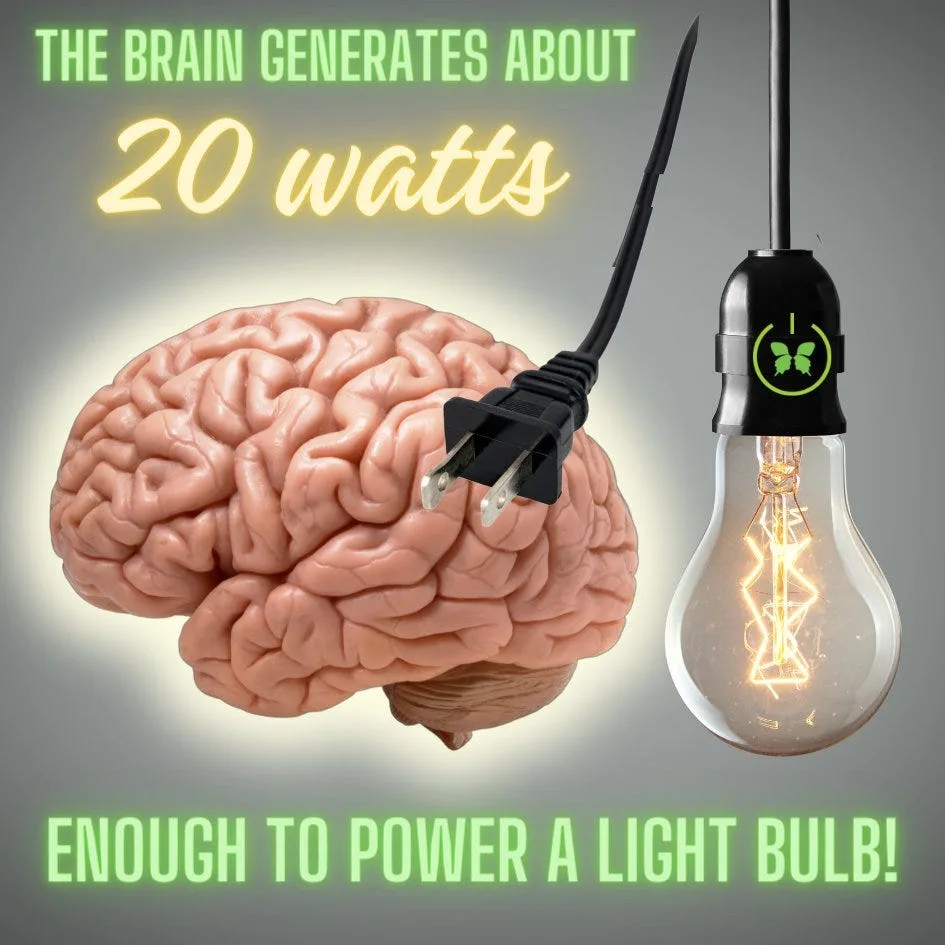
Amongst all our organs, the human brain and nervous system are the most energy-hungry organs. Our brain only weights around three pounds, yet it consumes, on average, some 20% of our energy. If we could connect our brain to an electrical outlet, it would consumer/generate as much energy as a 20 watt light bulb!
So a key challenge for our vascular, nervous and immune systems is to ensure our active and often unruly brain (which I call “rogue” in my book The ROGUE Brain, which describes the inner workings of our brains in simple terms) receives enough energy, not too much and not too little, to remain active and balanced: Motivated but not addicted, ambitious but not anxious, active but not in an overly excitatory or overly inhibitory mode.
Brain Metabolism in Simple Terms
Our heart pumps oxygenated blood from the lungs into all organs and recycles carbonated blood to the lungs (for exhalation of carbon dioxide) after our cells use oxygen plus glucose or fat to energize themselves.
Our brains have nearly 100 billion neurons (give or take a few billion!). These are like very short branched off strands of wire connected to each other in gap junction spaces called synapses. Whenever we get angry, hungry, motivated or discouraged, and whenever we think, compare, learn, memorize and remember, there are millions of electrical signals, in waves, traveling through bundles of neurons (jumping through these inter-neuron synapses). Upon excitation (receiving a signal), usually calcium enters a neuron (displacing sodium or potassium) and activates release of messenger molecules (called neurotransmitters) in that gap junction (synapse) which relays a specific message or memory to the next neuron in a large network of neurons surrounded by microglial cells and astrocytes (see blow) protecting them against toxins.
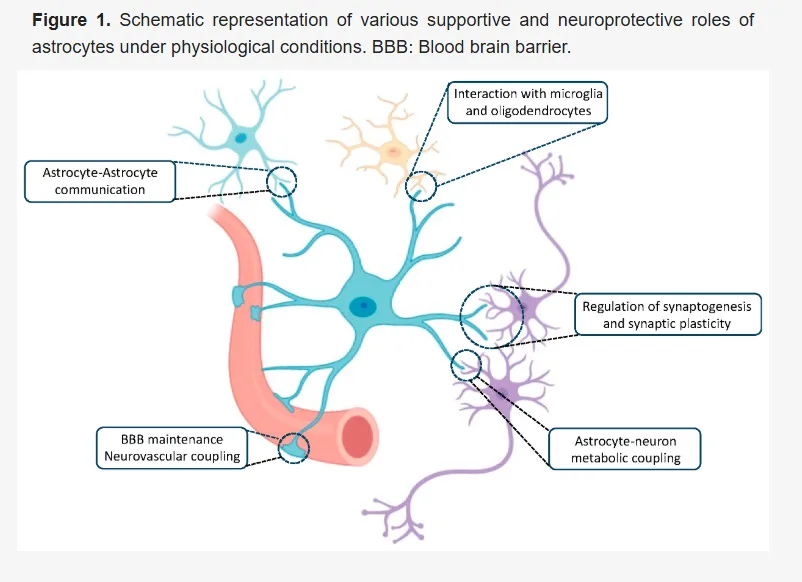
In this image, neurons are the purple. Researchers have shown that astrocytes regulate brain rhythms essential for cognition, and astrocyte–neuron metabolic cooperation is required for memory consolidation. Interestingly, these neurons and astrocytes constantly re-arrange to adapt to our cerebral activities and needs. This dynamic reformation of neural networks in the brain, called “neuroplasticity,” is the reason to remain hopeful for people with brain or mental health issues, because the brain can rewire itself. Astrocytes and glial cells do most of their job in cleaning up the brain space from toxins in early sleep, ideally around 10 PM (short wave sleep). Poor and late sleep seriously harm the immune (clean up) functions of these cells, lead to accumulation of toxins around neurons in the brain and are linked to brain diseases such as Alzheimer’s.
The energy needed by neurons in the brain is delivered by the blood. The oxygen and fuel (glucose or fat) in the blood enter neurons and converted to stored energy (needed for learning, remembering, etc.) using mitochondria, which are energy-producing organelles inside our cells. So for proper metabolism of energy in the brain, we need:
- Healthy neurons and neuronal activity: Not overexcited (firing too much) or under-excited (dormant)
- Healthy Blood and Blood Flow: Moderate blood pressure, Not too much or too little. Healthy Blood without toxins and infectious agents and with enough oxygen and fuel (glucose or fat), not too much or too little
- Healthy mitochondria: Sensitive to glucose but not damaged/inhibited by toxins
- Healthy Astrocytes and Microglia: That can clean up toxins and “gunk” from the brain space
- Healthy Blood Brain Barrier (BBB) and Gut-Brain Axis
The Problems Start With …
But most modern humans face issues with each of the above:
- Neuronal Activity Problems: Each time we are stressed, angry or agitated (by lack of access to addictives like coffee, sugar or money), or when our neurons get excited by fast-moving electrons (from digital media), they increase their firing (excitatory) rate (by releasing neurotransmitters like Glutamate) and energy consumption. This will impose a large energy burden on our central nervous system (including the brain).We now also know that many toxins in our food and environment are excitotoxins, which means they excite our neurons. These toxins are strongly linked to neurodegenerative disorders like Alzheimer’s, Parkinson’s, and ALS, as well as brain injury. Example of these are:Monosodium Glutamate (MSG) flavors, which like the glutamate neurotransmitters, causes excitation of our neurons. Sometimes they label MSG as Natural Flavoring. Don’t be fooled! Many ingredients in processed foods contain MSG such as bouillon and broths, soy sauces, gelatin, hydrolyzed vegetable proteins (soups, sauces, snacks).
- Casein protein in unfermented dairy products. Also the high heat processing of ultra-pasteurized dairy can alter proteins and release glutamic acid.
- Heavy Metals such as Lead (Pb2+), Mercury (Hg2+), and Arsenic (As3+/As5+) can act synergistically with glutamate to cause neurotoxicity.
- Aspartame and artificial sweeteners (To educate yourself more with uncensored facts, please read my full article The Untold History and Toxicity of the Diet Sweetener: The Aspartame’s Nexus to Iraq War)
- Food additives like Gelatin, Carrageenan (E 407)
- Organophosphate pesticides like glyphosate can cause excitotoxicity in neurons and neuromuscular junctions by inhibiting acetylcholinesterase (leading to acetylcholine accumulation), disrupting ion channels (e.g., sodium channels), and causing excessive glutamate release. Researchers have identified specific pesticides that damage dopamine-producing neurons, relevant to Parkinson’s disease. To educate yourself with uncensored information, please read my full article Do Pesticides Impact Fertility, Masculinity and Miscarriages?)
- Drugs like psychostimulants (Methamphetamine, cocaine, etc.) cause excitotoxicity through high levels of glutamate release. Dissociative Anesthetics/NMDA Antagonists like Ketamine and Phencyclidine (PCP) can disrupt glutamate regulation and trigger excitotoxic neuronal death. Glutamate-Modulating drugs such as Amantadine and Isoniazid can exhibit toxic effects on neural electrical activity. Even anxiolytics (anxiety-reducing) drugs like Benzodiazepine and alcohol can cause excitotoxicity in people who regularly exercise and have good sleep and brain-friendly nutrition.
- Low and Extra-Low Frequency Electromagnetic fields (Less than 300 Hz), have been linked to higher levels of cytosolic free calcium and increased neuronal firing (excitation). These fields are stronger near cell phones, power transmission lines, household appliances such as electric blankets, hair dryers, vacuum cleaners, electric wires inside the walls (when current flows) and refrigerators (especially while running), industrial equipment such as induction heaters, welding machines, and transformers, electric trains, subways, and trams.
- Caffeine, sleep deprivation and stress (cortisol) increase the metabolic demand on the neurons.
- While overexcitation of neurons is harmful, underutilization is harmful too because a bit of stress helps our neurons grow and adapt, by pruning weak or dead neurons (neurons are constantly pruned like branches of a tree to ensure stronger branches survive and thrive). This is called neuroplasticity. Factors that hinder brain neuroplasticity—the brain’s ability to reorganize and form new neural connections—include chronic stress or very low stress (lack of mental stimulation), poor sleep, poor diet (high fat, high sugar, processed foods), addictions (substance or behavioral habits), and rigid habits (no creativity, new learnings or random walks in life). These factors often decrease brain-derived neurotrophic factor (BDNF), a protein essential for neuron growth and survival (see more later).
- Blood Problems: The oxygen and fuel (glucose) delivered by our blood is vital for functioning of both brain neurons and clean up system (microglia and astrocytes). Below I have listed some potential blood issues:
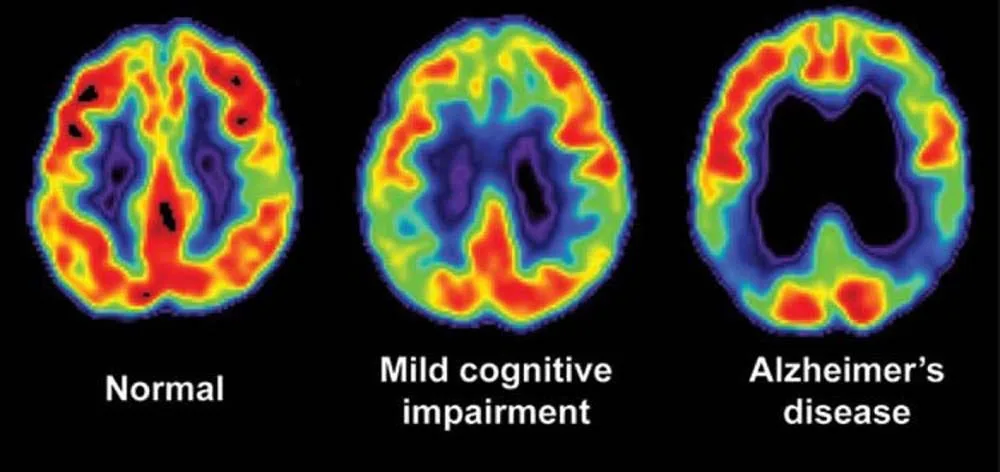
- Blood pressure and flow: Our brain is often at the highest point of our body so our blood has to have enough pressure (healthy heart and blood vessels) to work against gravity to reach the brain. At the same time, high blood pressure, is shown to damage branching points in the carotid artery (on the way to the brain), and cause blood clots and restrictions (ischemia or ischemic strokes). Inside the brain, carotid artery branches into smaller and smaller blood vessels (called arterioles, which means baby arteries, like tiny pipes branching off a master line) as seen below.When arterioles that feed neurons deep inside our brain are obstructed and have little flow, they cause localized cell (neuron) death, lacunar strokes and damage to deep brain structures.Brain imaging (like PET scans shown here) distinguish dementia from healthy brains by visualizing reduced metabolic activity (low oxygen and glucose/energy consumption by neurons, in blue/black area) and abnormal protein buildup (waste products not removed by immune cells). MRI scans of people prone to neurodegenerative diseases also show a series of mini strokes or dead neurons deep inside the brain. To understand how even blood pressure medication can worsen some of these conditions, please read Blood Pressure Medication Linked to Cognitive Decline, Nightmares?
- Thick blood problems: It is basically blood that easily congeals and forms clots so it can easily clog our cerebral (brain) blood vessels. There are a lot of things we can do to make sure our blood is not too thick. I wrote a whole article on this because the knowledge is often not shared widely but can save lives. Please read it here: Rat Poisons or Blood Thinners? Everyone Should Learn These Life-Saving Facts About Blood Flow. You May Not Hear this Eye-Opening Education at Your Doctor’s Office.
This article is my gift to seekers like you. It takes a lot of time to research and write these articles. I did my part. You can do yours by sharing the articles to expand our network of critical thinkers.
Take Away so Far:
The brain, as our most energy-hungry organ, needs healthy blood (no toxins, proper oxygen, glucose and fat content), healthy blood flow (no thick blood or blood clots) and healthy nerves (not overly excited or worn out by chemical/drug/food toxins, cancers, diseases and microbial infectious agents).
…..
We will continue this in part II, discussing the role of healthy mitochondria, glymphatic system (brain’s clean up system), blood-brain-barrier and gut-brain axis, and some practical suggestions.
By inhibiting SERCA, Sarco(endo)plasmic Reticulum Calcium ATPase, a membrane pump that transports calcium ions from the cytosol into the sarco(endo)plasmic reticulum (SR) of muscle and non-muscle cells. This action is essential for lowering cytosolic calcium levels, which causes neurons or muscle relaxation. SERCA is also known as a P-type ATPase.
For example, when glutamate overstimulates receptors like NMDA, it triggers a massive influx of sodium and calcium ions into the neuron and hyperactivates ATP-using ion pumps to prevent the cell from bursting or dying instantly, the neuron must pump these ions back out.. The fast depletion of ATP impairs many functions of the neurons including buildinh myelin sheaths.