Rat Poisons or Blood Thinners? Everyone Should Learn These Life-Saving Facts About Blood Flow
You May Not Hear this Eye-Opening Education at Your Doctor's Office
A good friend of mine, like many many others, was recently put on a blood thinner medication due to being at a high risk of heart attack. Although he is a capable “fluid mechanics” expert, he seemed unaware of the process of blood flow in his own body. In this article, my goal is to simplify the science of blood thickness (viscosity) and discuss some common misunderstanding of “thick” or “thin” blood. This article is a little long but understanding these facts, which you probably won’t hear in your 10-minute doctor appointment, on popular podcasters or from famous influencers, can save your life. Please don’t be overwhelmed by technical terms. Try to understand the “wisdom” of our body’s design and reactions, which is actually fairly simple.
What is Thick Blood and Why it’s Dangerous?
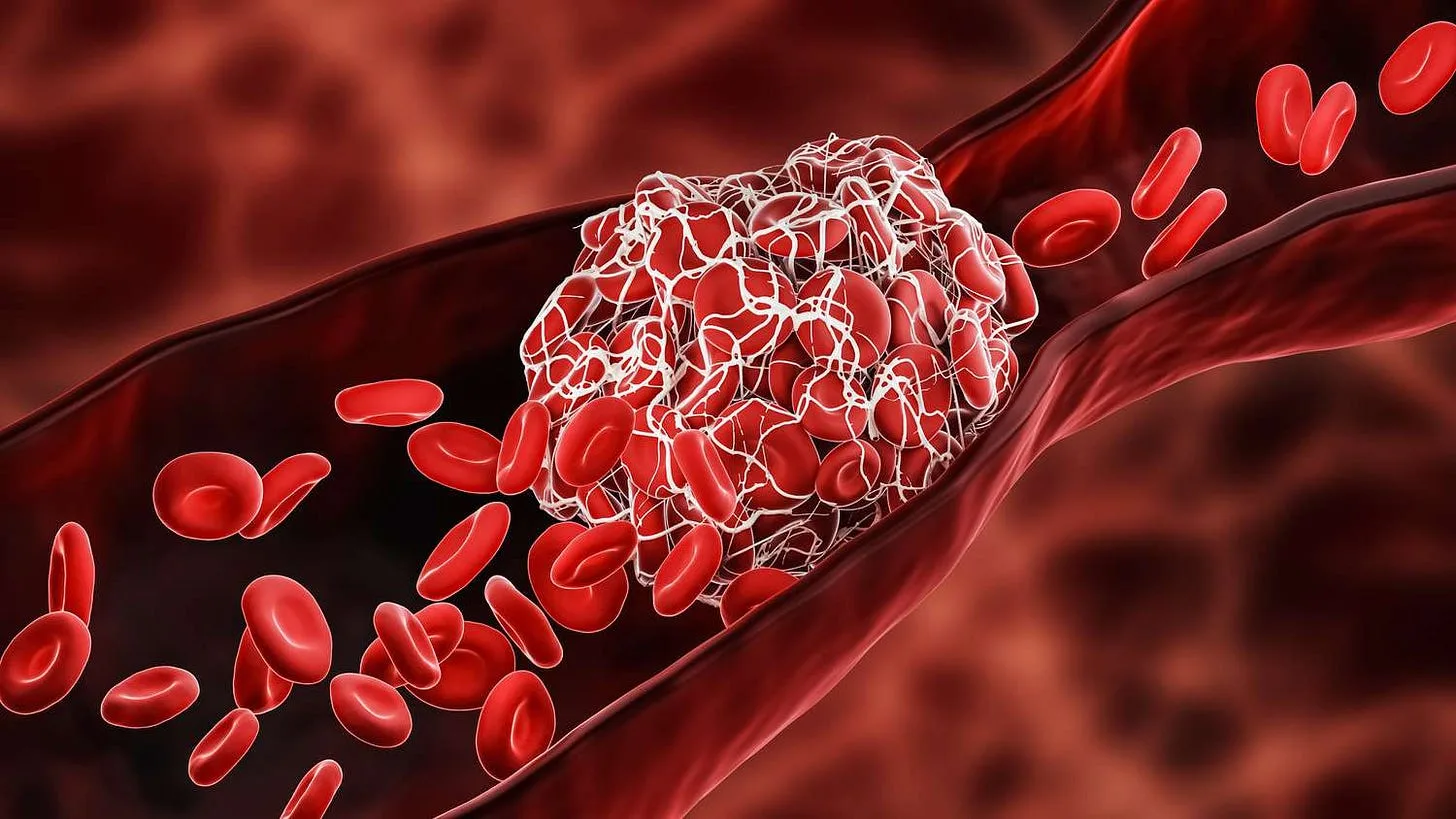
In fluids, “Thick” usually refers to what engineers and scientists call the “viscosity” (resistance to flow under shear). I learned about the concept during my PhD research on rheology (flow behavior) of fluids. When it comes to our blood flowing in pipe-like vessels (vasculature, arteries, veins, etc.), resistance to flow means: (1) More “pumping” work /stress on the heart, potentially leading to cardiovascular diseases, (2) Poor flow into microvasculature and capillaries, those very thin (sometimes 5 microns in diameter) branches of vascular network in our tissues or extremities (brain, eyes, lungs, reproductive organs). Without proper blood flow, our tissues cannot receive nutrients and oxygen, heal or rejuvenate. So in summary, thick (high viscosity) blood cannot properly flow to narrow blood vessels and capillaries of critical organs (such as eyes, brain, heart and reproductive organs) to deliver the life-sustaining energy (oxygen, red blood cells, nutrients) and immunity (immune cells). The resulting ischemia (poor blood flow), could have serious implications to our health span and lifespan.
Science today is complex, sponsored and politicized. Guided by his conscience and not politics/profits, Ray Armat, Ph.D. is an unsponsored polymath, former NASA grantee and an independent farmer, dedicated to share useful uncensored simplified science. You can encourage him by subscribing (free or by donation).
These are some symptoms of “Thick” blood which may be related to blood clots: Fatigue and shortness of breath even during simple activities, Chest pain and heart attack symptoms like arm tingling or pain in the back or jaw, Brain fogs or headaches, Slurred speech or difficulty speaking, Dizziness, Trouble understanding speech, Pain or redness in the lower leg (venous thrombosis).
What Controls Blood Thickness (Viscosity and Coagulation)?
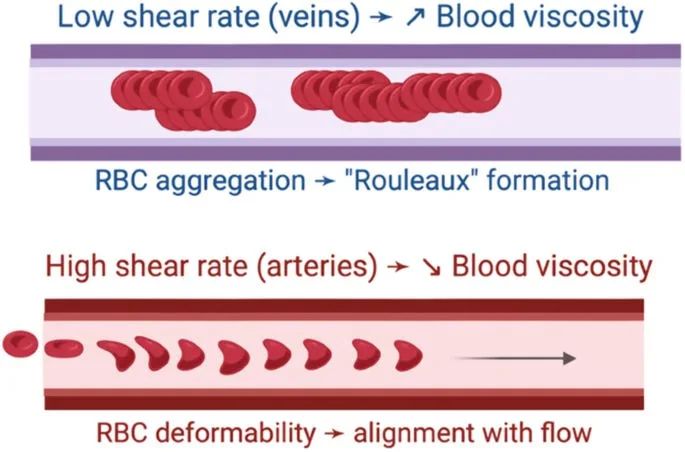
Blood thickness refers to two related but different factors: (1) Blood viscosity, and (2) The degree of coagulation (clumping) or blood clotting. Blood viscosity is controlled by hematocrit, which is the volume of red blood cells (RBC, as seen in the picture), plasma viscosity (proteins, fatty lipids and hormones in water), aggregation of red blood cells or coagulation of blood clots or platelets, and temperature (warmer means less viscosity so people with thicker blood and weaker hearts should avoid extreme colds):
- Red Blood Cell Volume: More red blood cells (higher hematocrit) means thicker blood, while fewer cells (anemia) means thinner blood. Animal based protein, particularly from red meat, tends to increase hematocrit and viscosity levels due to its rich supply of highly absorbable heme iron, essential for red blood cell (RBC) production. In general, to avoid hypoxia (oxygen shortage) our body’s smart design makes excess RBCs or makes RBC’s bigger to compensate in times of problems with oxygen delivery to cells, for example in polluted air, carbon monoxide, high altitude mountains, smoking, lung diseases (such as COPD), sleep apnea, heart conditions/diseases (that reduce oxygen delivery). These conditions can thicken our blood and cause sickness. Macrocytosis is also a condition where RBCs are larger than normal due to bone marrow problems or vitamin B12/folate deficiency or conditions like Thalassemia in which the body cannot properly make hemoglobin and RBCs, liver/kidney diseases/cancers, alcohol abuse, hypothyroidism, or certain medications (steroids, testosterone, see below), or even dehydration.
- Plasma proteins: These are essential proteins in blood plasma, like albumin, globulins, and fibrinogen, that perform vital roles such as maintaining fluid balance, transporting nutrients/hormones, clotting blood, and supporting the immune system. In times of stress, injury/inflammation and infection, our blood becomes thicker because we experience elevated concentrations of antibodies (immune system to tag and destroy pathogens), and aggregating molecules like C-reactive proteins (which surround and bind pathogens) and fibrinogen (which form fibers to patch any injury or leaky site). Other conditions that increase plasma protein levels (hyperproteinemia) often involve dehydration and liver or kidney problems (because these organs remove excess proteins from the blood). In recent years, COVID or COVID vaccine-induced spike proteins (a specific type of protein) have been detected in the bloodstream of people months after infection or vaccination, leading to high blood viscosity and other problems such as severe kidney stress (protein- and albuminuria) and complications00001-1).
- Hormones and Fats: Anabolic steroids, androgens, growth hormone, and insulin can raise protein (albumin) levels and viscosity of the blood. Hormones can also directly impact blood viscosity in important ways. Estrogens (more in females) tend to “decrease” blood viscosity by improving red blood cell (erythrocyte) flexibility. They also increase nitric oxide, which relaxes blood vessels, which means suppression of cerebrovascular inflammation (in the brain). Men are not as lucky. Androgens (male hormones, like testosterone) on the other hand, can increase viscosity, often by raising hematocrit (more red cells) and exacerbate ischemic stroke injury and cerebrovascular inflammation. Cortisol, the stress hormone, generally increases plasma lipids (fats) like triglycerides (TG) and LDL, while often decreasing the HDL-C (the good cholesterol). Elevated TG and LDL (bad cholesterol) increase blood viscosity by promoting red blood cell clumping (aggregation) and altering cell flexibility, making blood thicker and harder to flow, while lower HDL levels also tend to increase viscosity because they space out red blood cells. That is why fatty meals, particularly from animal sources, and meat (uric acid) are also thought to cause RBC aggregation and thicker bloods. Stress-induced adrenaline can also cause RBCs to swell (increase mean cell volume), which increases hematocrit and rate of RBC aggregation and blood viscosity, particularly at low shear rates. So overall, excessive stress (cortisol), competitive traits, strenuous exercise and testosterone treatments (testosterone) and diets high in animal protein/fat protein can thicken your blood! You can learn a lot more about steroid hormones and their relationship to each other in my second book The Rogue Brain. You can learn about blood viscosity in videos by Dr. Sloop.
- Blood Clotting (Thrombosis) and Coagulation: Most blood thinner medications treat this aspect of blood viscosity (or gelling!) and not the previous factors. When our blood vessels of their (endothelial) linings sense they are injured, breached, or damaged (by toxins, infection agents or oxidative stress), they locally release molecules called prostaglandins and activate a complex “blood clotting cascade” (or coagulation cascade) a multi-step process involving at least 13 known proteins called clotting factors, leading to the production of thrombin (an enzyme needed to form thrombus, the scientific name for blood clots), which (1) Converts fibrinogen (Factor I) into strong fibrin strands that form a mesh, (2) Activates platelets in the blood to organize. The fiber mesh encapsulates the “platelet” clusters to form a stabilized blood clot plugging the site of injury.Activated platelets release another mediator (so-called prostaglandin named Thromboxane) which amplifies the platelet response, attracts more platelets, and constricts the blood vessel to stabilize the plug.When all this happens, the normally liquid blood is converted into a “gel-like” substance, which is obviously “thick” as compared to the same blood before coagulation. Various blood thinner medications (at least 17 in the US market) target/manipulate different parts and factors of the clotting cascade. For example, Aspirin inhibits Thromboxane (platelet) production, while other drugs slow down the clotting process, such as Heparin that targets Thrombin, and Warfarin and Coumadin which are Vitamin K antagonists. Kwa A, Hanspers K, Kelder T, Waagmeester A, Luis L, Summer-Kutmon M, Willighagen E, Weitz E. Blood clotting cascade (WP272) [Internet] Last edited: 2025-11-01. Available from: https://www.wikipathways.org/instance/WP272. This type of blood thickening is obviously useful to plug or encapsulate injury sites but if it’s pervasive in the blood stream, it can result in serious problems in the heart or brain, lungs and eyes (organs with many critical narrow blood vessels) such as strokes, heart attacks, deep vein thrombosis, pulmonary embolisms and Retinal Vascular Occlusions (RVO or retinal artery/vein blockage), an “eye stroke” where often painless, vision loss or blurriness occurs due to blocked blood flow, leading to fluid buildup (edema) or bleeding, or macular degeneration, potentially causing permanent damage. The formation of small blood clots (microthrombi) in the blood stream may lead to multiorgan failure. Factors that make thick (coagulating, clotting) blood more risky are high blood pressure, diabetes, high cholesterol, and atherosclerosis. Also, all aforementioned factors that contribute to higher blood viscosity can exacerbate risk of blood clots. It is hypothesized that multiple organ failure or severe blood clotting was responsible for high mortality rates among muscular bodybuilders (many used testosterone treatments) and young athletic males (with high testosterone levels) who died during COVID or after COVID vaccination. Many of these victims had high testosterone levels, and diets heavy in animal fats and proteins that increase both blood viscosity and risk of coagulopathy.
Flexible Blood Vessels and Nitric Oxide: The Body’s Wisdom in Controlling Blood Flow
The body has to ensure there is enough blood flow to all tissues, even those farthest from the heart (pump) while accommodating the fluctuating blood volume and variable blood perfusion into different organs and cells. Although thinner blood is desirable for pumping, blood which is too thin can cause “hemorrhage” in blocked blood vessels (embolism means blockage of vessels) or damaged tissues, potentially leading to dangerous hemorrhagic strokes or major blood loss from minor injuries in organs like the brain, eyes (retina) and stomach. In fact, among the reasons regular daily use of Aspirin is now discouraged for healthy people is the serious risks associated with the “thin blood” Aspirin causes.
The body regulates the flow of blood by intelligent (adaptable) management of (1) Blood viscosity, (2) heart rate, (3) Vasodilation or constriction (expansion or contraction) of blood vessels, (4) Blood pressure (through kidneys and the RAA system, which is beyond the scope of our discussion), (5) Oncotic pressure (perfusion into tissues).
The flexibility of blood vessels (vascular tone and health, such as the elastic properties of the arterial wall) is as important as blood viscosity in avoiding ischemic or blood clotting events because a flexible artery can accommodate more fluctuations. It is currently postulated that endothelial cells, as a part of blood vessels walls, respond to mechanical stress induced by flow (shear stress) or in hypoxic conditions (shortage of oxygen) by activation of nitric oxide (NO) that causes vasodilation (widening of blood vessels), relaxation of smooth muscle cells and inhibition of platelet aggregation (stickiness). Oxidative stress can lead to endothelial (and vascular tone) dysfunction that is seen in pathologies such as diabetes mellitus and hypertension. As arteries stiffen due to these diseases (or unhealthy aging caused by metabolic imbalance), they become less able to expand and recoil. This changes how pressure waves propagate, resulting in increased systolic blood pressure and overall wall stress, which can further damage the arterial lining, leading to more clotting cascades.
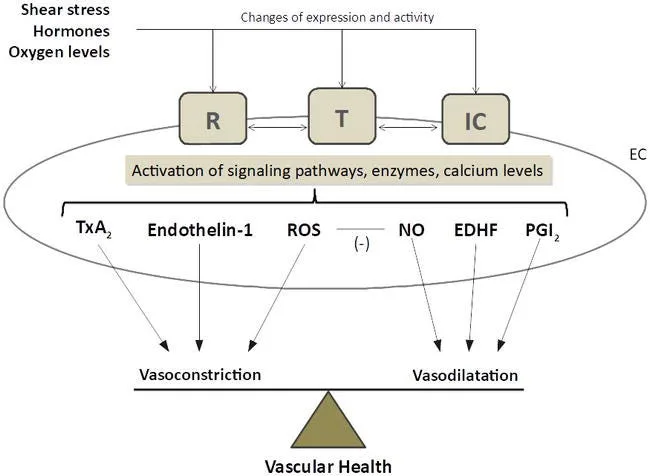
During arterial lining injury, as the blood vessels release clotting factors (like fibrinogen and thrombin, already discussed) but the clot itself activates other molecules responsible for dissolving blood clots (fibrin proteins) into soluble fragments, maintaining open blood vessels to promote wound healing after the site of injury is repaired. So a healthy body maintains a healthy balance between clot formation (thrombosis) and clot breakdown (fibrinolysis). But certain conditions lead to reduced fibrinolysis (clot breakdown) and increased risk of thrombosis (clots): (1) Adipocytes or fat tissues are an important source of molecules that inhibit clot break down. (2) Any factors that result in dysfunctional blood vessel endothelium (inner lining) such as sepsis and infections (like pneumonia), serious tissue injuries, burns, arterial stiffness, hypertension (high blood pressure), diabetes, chronic stress and metabolic syndrome, smoking, obesity, and aging. These factors lead to increased oxidative stress that reduces nitric oxide (a key vasodilator), and chronic inflammation, impairing blood flow regulation, promoting clots, and increasing risk for atherosclerosis, heart attack, and stroke. A chronic state of inflammation is also characterized by inflammatory adipokines (fat-soluble signal molecules) that trigger fatty tissues to release molecules inhibiting clot break down. Basically, when the body feels under long-term or serious attack, it prefers an inflamed, clot-forming state. So maintaining metabolic balance in the whole body is crucial in minimizing the risk of permanent and multi-focal (spread in different vessels and organs) clots, whether our blood viscosity is low or high. In my three books and articles on this Substack, I have discussed the simple principles of metabolic balance.
One last note about the effect of chronic stress (psychological or physical). Stress activates the body’s “fight-or-flight” response, leading to hormonal surges (adrenaline, cortisol) that promote blood clotting by increasing platelet stickiness, coagulation factor production, and blood viscosity (as explained above), creating a pro-thrombotic state. Simultaneously, stress-induced inflammation and oxidative stress generates reactive oxygen species that impair nitric oxide (NO) function, reducing its crucial anti-clotting role as a vasodilator and platelet inhibitor, further tipping the balance toward clot formation and increasing cardiovascular risk.
How Thin is too Thin? The Problem with Blood Thinner Medications and Mouse Poison
Did you know chemicals in some major blood thinners medications are also used as mouse and rat poisons? These anticoagulants, primarily belonging to the chemical classes of hydroxycoumarins (such as Warfarin and Coumadin) and indandiones (such as Diphacinone), inhibit enzymes recycling Vitamin K (needed for healthy coagulation and calcium metabolism). When Vitamin K is depleted, as the existing clotting factors are used up, new ones cannot be produced, so the rodent loses its ability to form blood clots. This results in spontaneous and uncontrolled internal bleeding, or fatal hemorrhaging, which is a slow process that takes several days after consuming a lethal dose.
Although humans are much larger than rats, and may have higher supplies of Vitamin K (only if they consume healthy balanced food, see my earlier article about milk), the uncontrolled bleeding or excessive blood thinning effect of Aspirin and other blood thinner medications may still cause serious harm to people. Remember some of the organs that house extensive microvasculature (critical narrow blood vessels) such as the brain, eyes and lungs can be harmed not only by blood clots (thick blood) but also by excessive bleeding (thin blood). And these are not limited to blood thinners. Antihypertensive (blood pressure) medicines can also lead to more permeable (easier to break down) fibrin clots and faster lysis (dissolving) of clots. Among the serious side effects (harms) “officially” listed for blood thinner medications are the following:
- Internal Bleeding: Severe headache, dizziness, weakness, confusion, unexplained fatigue, abdominal/back pain.
- External bleeding: Bleeding from a cut that won’t stop or slow down, gumline bleeding, dry bloodshot eyes, frequent nosebleeds, bleeding gums, coughing up blood, vomiting blood, blood in urine or stool, heavy menstrual bleeding, vaginal bleeding.
- Fatigue, Shortness of breath: Blood thinners (anticoagulants) can cause shortness of breath (dyspnea), often linked to fatigue or mild anemia from slow internal bleeding.
- Stroke symptoms: Sudden numbness, one-sided weakness, vision loss, slurred speech, severe headache, difficulty breathing, seizures, loss of consciousness.
- Fetal (unborn) and newborn birth defects such as “Fetal Warfarin Syndrome” (underdeveloped nose, breathing difficulties, shortened limbs and digits, and spinal abnormalities, Spontaneous abortion or stillbirth), Intellectual disabilities, microcephaly (small brain size), atrophy of the optic nerve (potentially leading to blindness), and deafness. These happen because vitamin K-dependent proteins are essential in a fetus and newborn baby for calcium and vitamin D metabolism, normal bone and cartilage development and blood clotting. Aspirin and other nonsteroidal anti-inflammatory drugs (NSAIDs) are also linked to numerous problems such as autism and neurodegenerative diseases, fetal kidney problems and cerebral bleeding.
- Thrombocytopenia: A dangerous drop in platelets, such as induced by Heparin.
- Kidney Problems: Decreased urine output, swelling, confusion.
- Jaundice: Yellowing of skin/eyes: Some anticoagulants can cause liver damage, inflammation or damage to the small bile ducts (cholestatic injury) within the liver, obstructing bile flow.
Natural Blood Thinners, Anti-coagulants and Nitric Oxide Boosters
First of all, menstruating women and anemic people often have thinner (than average) bloods so they are in some ways lucky! Since tissue perfusion is inversely proportional to blood viscosity, anemia may be beneficial as it increases tissue perfusion (due to lower viscosity) even when RBC (erythrocyte) aggregating factors or defective RBC (with decreased deformability) are present in the blood.
Secondly, you could balance your blood viscosity “naturally” by avoiding or minimizing all those “natural” (lifestyle and food) risk factors discussed earlier: High altitudes (thin air), smoking or smoky areas, carbon monoxide, and polluted air, chronic psychological or physical stress (cortisol), anxiety and fear (adrenaline) or drinks like coffee that stimulate release of adrenaline/cortisol, low nutrient foods, High animal protein/fat diet, Strenuous muscle-building exercises, competitions and testosterone treatments, Multiple injuries or infections (poor immune system), dehydration, and any drugs, chemicals and toxins that compromise your metabolic efficiency (mitochondrial efficiency). A very useful natural exercise (every day multiple times) is conscious (deep and slow) breathing which is shown to lower blood pressure, heart rate, and blood viscosity (by improving blood oxygenation). Also, temperature matters so people with thicker blood and weaker hearts should avoid extreme colds. Although, cooler room temperatures, especially in bed time, mean higher oxygen and moisture content and better protection of vasculature and lungs.
This article is my gift to seekers like you. It takes a lot of time to research and write these articles. I did my part. You can do yours by sharing the articles to expand our network of critical thinkers.
Third: Some natural compounds contain blood thinner molecules. Unlike synthetic pharmaceutical agents, many natural compounds balance both pro- and anti-clotting and platelet functions so they are safe when used in moderation. For example, seeds and nuts have both pro-clotting (Omega 6) and anti-clotting (Omega 3) factors that prevent excessive clotting or bleeding. Nevertheless, some potent natural blood thinners (like garlic) and certain purified/concentrated naturally-derived compounds (like cinnamon or turmeric) could lead to excessive bleeding when not used in moderation or together with pharmaceuticals:
- Coumarin inhibits vitamin K, which is crucial for blood clotting. Coumarin is a natural compound with anticoagulant (blood-thinning) properties found in apples (particularly seeds), tonka beans, sweet clover, alfalfa and cinnamon. It’s found in much higher concentrations in cheaper Cassia (cinnamon) than in Ceylon cinnamon, making regular, high intake of cassia may cause liver damage and increased bleeding potentially risky, especially if taking blood-thinning medications like warfarin. Even animals (in dairy farms) fed with high doses of sweet clover may experience nose bleeds, sudden death (due to internal bleeding) and massive, uncontrollable bleeding (hemorrhage) after minor injuries, surgeries (like castration or dehorning), or giving birth. This is because sweet clover naturally contains coumarin, which is converted to the potent anticoagulant dicoumarol when the hay or silage becomes moldy due to damp conditions.
- The main compounds in garlic that inhibit blood clotting (antiplatelet effects) are Ajoene, Allicin, and other organosulfur compounds like diallyl sulfides (DADS, DATS) and vinyl dithiins, which prevent platelets from sticking together, reducing clot formation. Also, these sulfur compounds enhance nitric oxide synthase (NOS) enzyme activity, and therefore nitric oxide (vasodilation).
- Black walnuts contain compounds like omega-3 fatty acids (reducing platelet stickiness, decreasing pro-clotting factors like thrombin and competing with omega-6s like arachidonic acid that produce clot promoters. Also Omega-3 fatty acids also decrease blood viscosity by increases cell membrane fluidity and deformability of RBC), polyphenols (tannins, flavonoids, which are antioxidants and reduce oxidative damage to blood vessels and tissues), and arginine (An amino acid that converts to nitric oxide, the body’s main vasodilator). Other seeds like sunflower and pumpkin (fresh, organic type) also contain L-Arginine, which is the precursor to nitric oxide. Foods high in tryptophan also increase levels of serotonin (a key neurotransmitter for mood, sleep and relaxation) and also shown to increase nitric oxide levels. Animal studies shows oral administration of L-Tryptophan significantly improved blood pressure, blood glucose, insulin levels as well as nitric oxide and serotonin levels.
- Natural plant-derived compounds like flavonoids, polyphenols, curcumin, and omega-3 fatty acids, found in foods and herbs (e.g., organic turmeric, ginkgo, green tea, onions, fish oil) reduce platelet stickiness and blood clotting. Also saponins in in herbs like ginseng contribute to antiplatelet activity. Saffron contains compounds like crocin and crocetin, which show antiplatelet (anti-clotting) effects, potentially affecting coagulation time and reducing clot formation. St. John’s Wort (Hypericum perforatum) also has compounds like hypericin, which inhibits thrombin (a key clotting enzyme) directly, but it can also decrease the effectiveness of anticoagulant drugs like warfarin, increases clotting risk when taken with warfarin due to drug interactions.
- Beta carotene and Vitamin A (retinol) in orange/yellow colored foods like carrots, sweet potatoes, pumpkins and squashes and egg yolks can help adjust blood viscosity in three ways: (1) They are powerful antioxidants so they reduce oxidative damage and inflammatory cytokine signals that attract platelets to the damage site, (2) Inhibit platelet aggregation, (3) They are vital for erythropoiesis (RBC formation) so a Vitamin-A deficient body may develop polycythemia (see earlier about high volume of hematocrit and RBC).
- Nitrates in vegetables like leafy greens (lettuce) and beet root are absorbed (when chewed), concentrated in saliva, and converted to nitrites by oral bacteria. The body converts these nitrites into nitric oxide, especially in low-oxygen conditions like exercise. Many mouthwashes and toothpastes that kill oral bacteria will inhibit formation of nitric oxide. High levels of oxidative stress can impair L-arginine’s function and lead to its depletion by causing the uncoupling of nitric oxide synthase (NOS). Consuming dietary antioxidants (e.g., vitamins C and E, polyphenols in fruits and vegetables) can help stabilize nitric oxide (NO) levels produced from L-arginine and counteract oxidative damage.
- Apples are a great source of energy (sugars), fiber, vitamins A, B, C, E and K, as well as phytonutrients like Quercetin and coumaric acid with anti-inflammatory, anti-coagulant and anti-hypertensive (lowering blood pressure) properties.
- If the body is healthy, phlebotomy (blood withdrawal), blood donation, or menstrual cycles of women may result in fresh RBC production and healthier, thinner blood.
My Humble Request 🙏:
Most information today is sponsored by businesses or large donors. I do not accept sponsors and do not place my articles behind paywalls so every seeker and critical thinker, rich or poor, can benefit from what I share. This way, I am not beholden to any particular donors or sponsors and can speak my truth and follow my God-given conscience. To encourage and allow folks like me to continue sharing useful uncensored industry insight and unsponsored research for free, please subscribe, for a free, or if you can afford a donation, a paid subscription and please share these articles so we can extend our network of critical thinkers and truth seekers.
Related Articles:
Blood Pressure Medication Linked to Cognitive Decline, Nightmares?
An interesting study shows blood pressure drugs like Lisinopril can cause vasoconstriction (tightening) of small cerebral arterioles that supply blood and oxygen to localized, distinct column of neur…
Everyone Should Know these Little-Known Facts about Milk and Dairy Industry: Part I
What our food does to our body’s metabolic health depends on the “metabolic” history of that food. This is what we are observing in vegetables grown chemical-free (the old-fashioned way) on our farm,…
Natural Alternatives to Metformin?
In a recent article, I discussed how some popular drugs for controlling weight or blood glucose can fool our body into releasing more insulin or curbing our appetite. But are there natural alternativ…
The Womersley number, a medical measure similar to Stokes number in fluid dynamics, determines how the blood flow profile and resulting shear stress distribute across the arterial cross-section during the cardiac cycle. Lower viscosity often means less orderly flow and high shear stress near the walls during peak flow (systole) but healthy elastic arteries generally can adapt to these high, steady shear stresses. Yet regions of high wall stress in areas with flow disturbances (e.g., bifurcations, stenoses), can activate platelets and potentially lead to thrombosis (blood clot formation). Also, areas of low or oscillatory wall shear stress are more strongly correlated with the initiation and progression of atherosclerosis and plaque formation. In the big arteries (like the aorta), blood flows fast and pulsates a lot (high Womersley number), creating complex patterns that can damage the artery lining and lead to atherosclerosis. When arteries narrow (stenosis), the Womersley number’s effect on flow becomes very important, often leading to dangerous low-flow/low-shear areas where plaque forms easily, despite the overall reduced flow.
When oxygen is scarce (hypoxia), our cells activate a molecule called VEGF (Vascular Endothelial Growth Factor) which triggers the growth of new blood vessels (angiogenesis). VEGF is needed for wound healing and in ischemic conditions like stroke (so our body delivers extra blood by forming new blood vessels in times of emergency) but it is also activated by excess insulin (as in diabetes and insulin resistance), insulin-like growth factors and cancer cells. VEGF and NO (Nitric Oxide) have a crucial, interconnected relationship, primarily in regulating blood vessel formation (angiogenesis), permeability, and dilation, where VEGF stimulates NO production, and NO, in turn, can modulate VEGF activity, creating a feedback loop vital for vascular health, but whose imbalance (like in diabetes) can lead to disease. In conditions like diabetes, this VEGF-NO axis can become “uncoupled,” meaning low NO levels amplify VEGF’s pro-inflammatory effects. Although insulin usually stimulates nitric oxide (NO) production in blood vessels, promoting vasodilation (widening of blood vessels), with insulin-resistance (diabetes type II), cells will release VEGF but not nitric oxide. Also, high sodium (salt) intake promotes the generation of reactive oxygen species (ROS) like superoxide, which rapidly react with and neutralize NO, and therefore makes the cells lining blood vessels (endothelium) stiffer.
Plasminogen is a precursor to plasmin, a crucial enzyme in the blood’s fibrinolytic system.
Interestingly, another major class of mouse poisons use an opposite strategy by using Vitamin D, which (in its pure form without Vitamin K and other natural compounds) induces extensive clotting and calcification of vessels, tissues and organs in mice leading to necrosis and death. So too much or too little blood clotting and calcification can lead to rodents’ death.
Interestingly, our body’s smart design will try to balance our needs (towards adaptation and homeostasis) so during prolonged residence and habituation in high altitudes, the body will release more nitric oxide (if not handicapped by factors listed in the article) so the blood vessels dilate and adapt to minimize harms (wall shear stress) associated with thicker (higher hematocrit) blood.