
Myth or Fact: Factors that can Control If Your Baby will be a Boy or a Girl
The Effects of Food, Lifestyle and Timing of Intercourse
There are ways expecting mothers can tell tell if they are pregnant with a girl or a boy (listed in the article linked HERE. But do couples have any control over the odds of having a boy or a girl? There are many folk protocols, especially in ancient Chinese, Indian, Persian or Arab Cultures, for expecting couples to increase the chance of having baby boys or girls. It was once said that more boys were born in poor peasant families with simpler grain (cereal) and vegetable based diets than in wealthier city families with diets rich in animal protein (meat and milk). In this article, I will share the actual science of why this can be true.
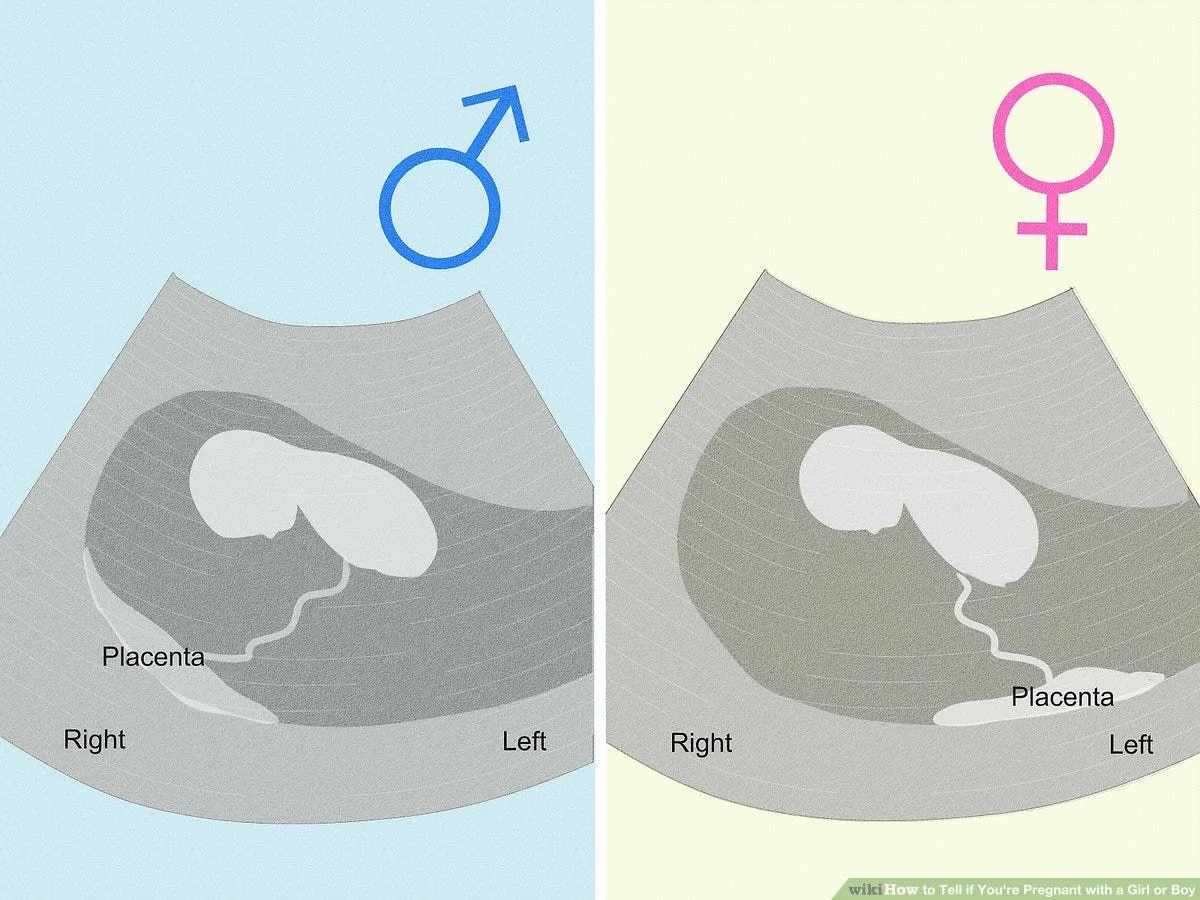
For starters, over the past 40 years, there have been small, but highly consistent, declines in the proportion of male infants born in industrialized countries, where people eat more animal-based products and are more exposed to environmental stressors and toxins.
Science today is complex, sponsored and politicized. Guided by his conscience and not politics/profits, Ray Armat, Ph.D. is an unsponsored polymath, former NASA grantee and an independent farmer, dedicated to share useful uncensored simplified science. You can encourage him by subscribing (free or by donation).
How Does Diet Affect Infant’s Sex?
An experimental relationship has been established between pre-conceptional nutritional patterns and foetal (of the fetus) sex. It has been shown that women who around the time of conception consumed foods rich in natural vitamins, folates, minerals (especially potassium), calorie-dense foods and cereals (grains) produced more male infants than female infants.
Ancient traditions, like Persian medicine practiced by Avicenna (see article Terrain Theory or Germ Theory?), also recommended energy-dense foods (such as chemical-free organic dates, honey and nuts) or energizing blood-thinning spices like chemical-free organic ginger and cinnamon (see my article Rat Poisons or Blood Thinners? Everyone Should Learn These Life-Saving Facts About Blood Flow) to increase odds of having baby boys.
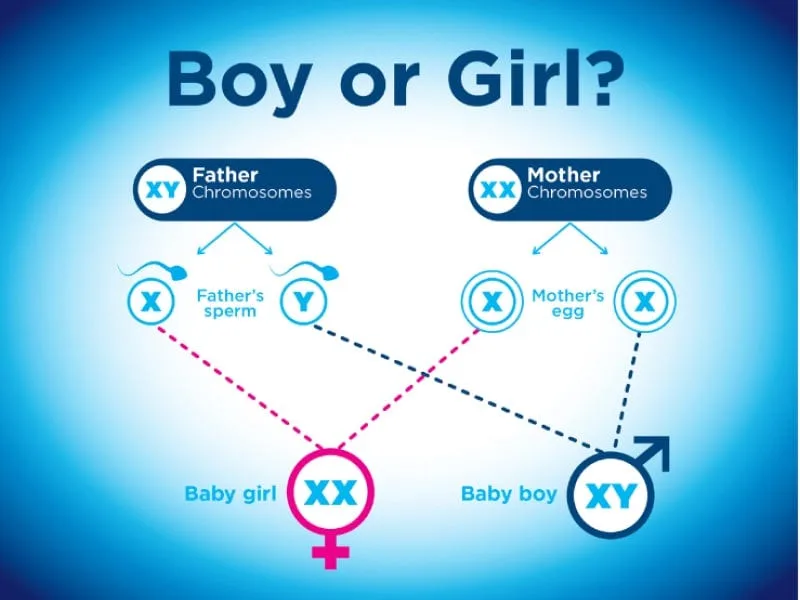
The Process of Fertilization
Whether your baby is a boy or a girl is determined by the chromosome it inherits from its father. The egg from its mother always contains an X (female) chromosome, but the sperm contains either an X (female) or a Y (male) chromosome. When the egg is fertilized the chromosomes come together and if they are XY a baby boy is conceived and if they are XX a baby girl is conceived.
In the 1970s, Dr. Landrum Shettles proposed that “male” (Y) and “female” (X) sperm have distinct motility and survival traits, allowing couples to influence the baby’s gender through food, timing and sexual position. Y-sperm are described as smaller, faster but fragile (shorter life span in the woman’s acidic cervical pH), while X-sperm are slower, hardier, and longer-lived in acids. To capitalize on faster Y-sperm to conceive a baby boy, intercourse should be as close to ovulation as possible, use deep penetration, and encourage female orgasm to increase alkalinity. On the other hand, making love earlier in the fertile window means by ovulation time, more X chromosomes would still be alive to fertilize the egg, and more likely to conceive a baby girl.
Recent research confirms Shettles’ findings. Studies indicate that Y-sperm have higher levels of metabolic enzymes involved in glycolysis and oxidative phosphorylation, which translates to a faster, more robust energy production system, allowing Y-sperm to move more quickly but be shorter-lived. X-sperm, on the other hand, bear more genes, that when activated, can slow down energy production without impacting viability. This suggests a more “frugal” or sustainable metabolism, which allows X-sperm to survive longer in the female reproductive tract.
Importance of Food and Lifestyle
Cervical mucus is most sperm-friendly at the time of ovulation, when it is more alkaline. Prior to ovulation the mucus is more acidic which is not ideal for sperm and only the fittest can survive.
The man’s seminal fluid is a nutrient-rich, alkaline medium produced by male accessory glands (prostate, seminal vesicles) that transports, nourishes, and protects sperms in woman’s acidic cervical environment. Optimal seminal fluid pH (typically 7.2–8) is maintained by a diet rich in antioxidants (chemical-free organic fruits, vegetables), healthy fats (nuts and seeds), and adequate intake of natural sources of zinc (chemical-free organic fresh-hulled seeds, nuts) and Vitamin C (chemical-free organic fruits, vegetables). A more alkaline seminal fluid may help Y-sperms survive longer and increase chance of baby boys. Factors that make the seminal fluid more acidic are alcohol, smoking, sedentary lifestyle, obesity, excessive coffee, stress, processed or animal-based diets. The same factors would also negatively impact the concentration and quality of sperms in general. Physical activity under sunlight while avoiding psychological stressors and unhealthy diets should help with testosterone and sperm count and quality in general.
For women, healthy vaginal and cervical pH is acidic (3.8–4.5) to prevent infections. Vaginal pH greater than 4.5 often indicates bacterial vaginosis. A healthy pH is maintained by lactobacilli-produced lactic acid in fermented foods like Kefir, sour (Greek or Persian) yogurt and sauerkraut. High-sugar diets, high saturated fat intake (as in animal-based products), hormonal changes, smoking, and poor hygiene habits could negatively impact the pH. Women can, just before ovulation, support a healthy, slightly more alkaline cervical pH (that according to Shettles’ theory “may” increase chance of baby boys) by incorporate nutrient-dense, plant-based foods (chemical-free organic sweet potatoes, vegetables, beets, legumes whole grains, fruits), fermented foods (listed above) that balance bacterial flora. Regardless of the baby’s gender, it is also essential to hydrate (with non-chlorinated, non-fluorinated water) and avoid stress, alcohol, drugs/medicines, coffee, and denatured/processed food (see a list in my articles and book The Right Way to Eat).
This article is my gift to seekers like you. It takes a lot of time to research and write these articles. I did my part. You can do yours by sharing the articles to expand our network of critical thinkers.
As for the effect of meat and dairy products on the pH of seminal and cervical fluids, it is expected to make both acidic. It is essential that any animal-based (meat or dairy) products consumed be from a healthy non-stressed animal because mammals generally have steroid hormones (in their meat, blood and milk) that are very similar to human steroid hormones (like cortisol, testosterone and estrogens) and can seriously disrupt our hormonal balances whether we plan to have baby boys or girls. To learn more, you can read more in my other articles about meat and milk or in my book The Right Way to Eat.
Related:
Part III: What is in the Milk You Drink? An Eye-Opening Education
In Parts I and II of the article, I discussed the effect of cow’s breed on butterfat cream and Vitamin A content, Grazing and feeding method on Vitamin A, D, E, K, and Hormones, pregnancy, vaccines a…
Life Starts with A Flash of Light: Video of a Fertilized Human Egg
Many holy scriptures (like Bible and Quran) refer to God as the originator of life and “light.” Researchers have now observed life starts with a small spark of light the moment a human egg is fertili…
How Stress Impacts the Quality of Raised and Game Meat?
Most people may not realize that the quality of meat you buy in the store or even the quality of game meat you hunt is heavily impacted by the stress and treatment of the animal prior to death? This article will share some education on the matter.