
Blood Pressure Medication Linked to Cognitive Decline, Nightmares?
An interesting study shows blood pressure drugs like Lisinopril can cause vasoconstriction (tightening) of small cerebral arterioles that supply blood and oxygen to localized, distinct column of neurons and glial cells in brain tissues. Because arterioles have little collateral flow, occlusion or constriction can cause localized cell death, lacunar strokes and damage to deep brain structures. Vasoconstriction in brain arterioles can also cause cerebral vasospasm, leading to symptoms like thunderclap (sudden, severe) headaches and neurological deficits (e.g., weakness, confusion, brain fog).
Although the decrease in mean arterial blood pressure (with use of these medications) is not associated with a decrease in overall cerebral blood flow, dilation of larger cerebral arteries (which is helpful to prevent large ischemic strokes) is associated with with a compensatory constriction of the “smaller” cerebral arteries (arterioles).
Much of science and information today is sponsored by businesses. As a humble polymath scientist farmer, I am guided by my conscience and not politics/profits. Help me simplify/share TRUE Science and WISDOM.
In simple language: Blood pressure medications can cause widening of main blood vessels and arteries. Because brain’s blood flow is tightly regulated, the widening of arteries in the brain (branching off carotid arteries) has to be compensated by tightening (vasoconstriction) of the branches (arterioles) to keep the cerebral blood flow constant. It’s like a gardener controlling the water flow from a wide hose by tightening the spray nozzle at the end of the hose.
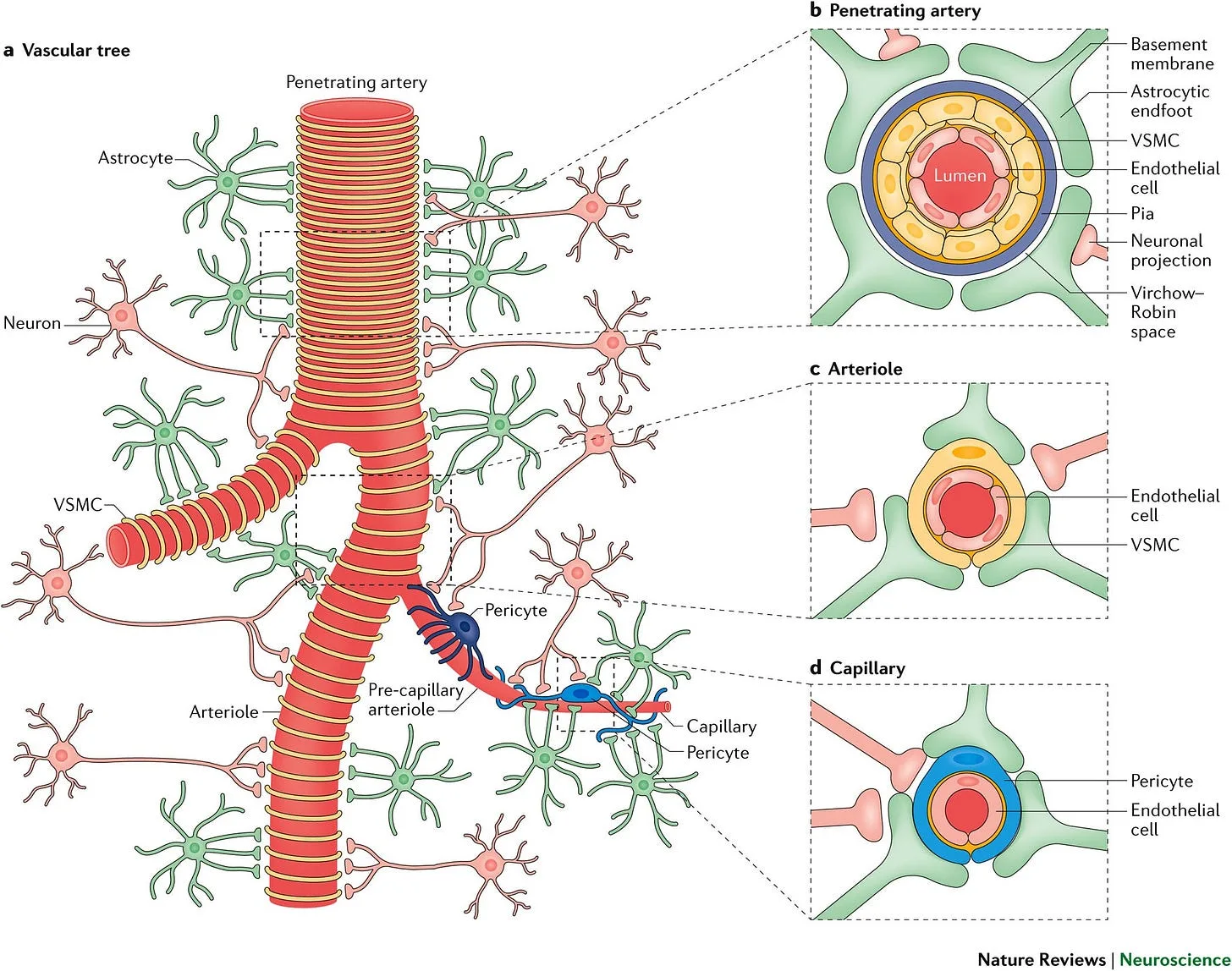
Other symptoms of occluded arterioles and lacunar strokes include weakness or numbness of limbs or face, difficulty walking, sensory loss and cognitive impairment.
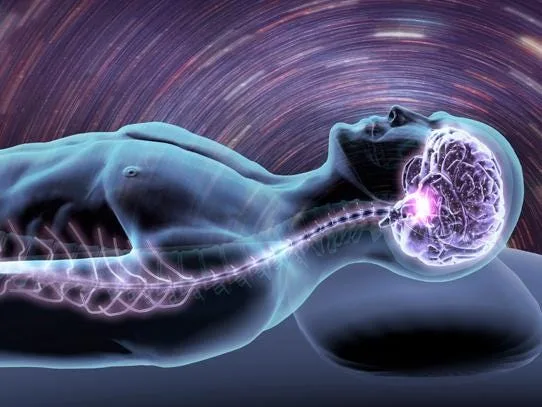
Disruptions to regional cerebral blood flow have been even linked to nightmares and sleep dysphoria.
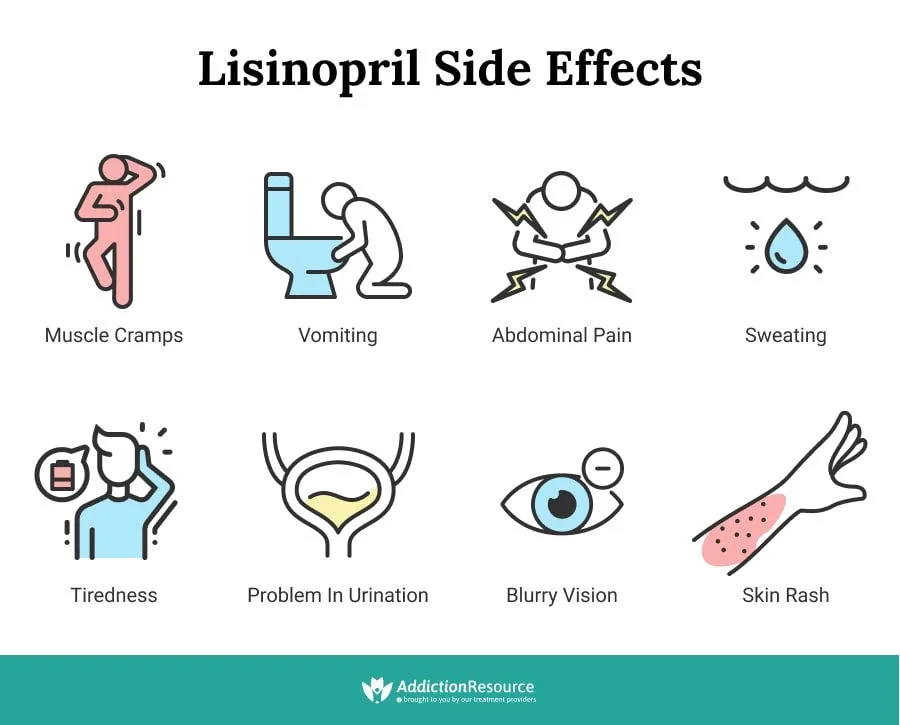
These are in addition to other known risks associated with these medications.
Sources:
https://www.nature.com/articles/nrn.2017.48
https://jcsm.aasm.org/doi/10.5664/jcsm.7628
https://pubmed.ncbi.nlm.nih.gov/7504126/