
Ben Franklin Validated! An Eye-Opener: American vs. Sri Lankan Approach to Diabetes
The stunning contrast between approaches and results
The last time I passed a kidney stone, the agonizing pain prompted me to research for kidney-stone treatment protocols in different countries (You can see more of my story in my book). What I found shocked me in terms of the contrast between treatment protocols in the U.S. and some other countries like New Zealand.
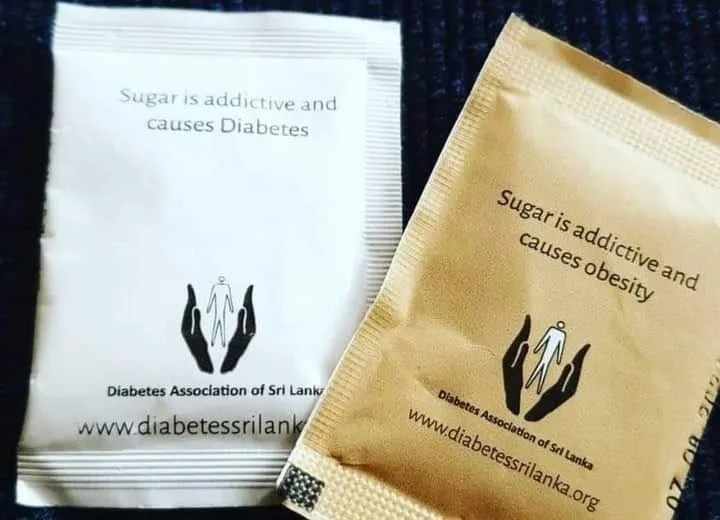
Recently I came across another stunning contrast, this time between the diabetes management protocols advocated by the Diabetes Associations of the United States and Sri Lanka. Both countries have about 11% of their population impacted by diabetes (of genetic and/or life-style origin) but in the United States an additional 96 million people (30% of the population) are pre-diabetic, whereas in Sri Lanka, only 11.5% are pre-diabetic. There are certainly lifestyle factors that contribute to such huge differences between the two countries, but a comparison between the approaches to the problem was an eye-opener for me, which I would like to shared with you, my fellow independent thinkers.
My other blogs, including one about Why Einstein Removed his Hat on Rainy Days are available if you sign up (for free) to this reader-supported publication, a wiser alternative to corporate-supported publications and publicity-grabbing phonies.
The American Diabetes Association (ADA), in Better Choice for Life, Food and Nutrition Guide, lists the amount of “added sugar,” but:
- Includes many carbohydrate-rich processed foods like energy bar snacks
- Doesn’t seem to discourage pure sugar or versions of it such as high-fructose corn syrup
- In the Fruit category they list frozen, dried, canned and packaged fruits but not fresh fruit.
In the mental health section, they have a page to reduce stresses in life and to make life simpler by encouraging measures like:
- Setting Recurring Deliveries of Diabetes Medication for “Auto-delivery of Diabetic Supplies.”
- Setting Virtual Appointments with Telemedicine doctors.
- Skipping the Grocery Store and using food delivery services.
In their medication guideline, they state:
There are many different types of drugs that can work in different ways to lower your blood sugar. Sometimes one medication will be enough, but in other cases, your doctor may prescribe a combination of medications.
The Association’s President, a Professor at Emory University School of Medicine in Atlanta, is listed as a recipient of a major grant from Eli Lilly, the Pharmaceutical giant. Lilly Diabetes also provided US $1.2 million in funding for the three-year American Diabetes Association and Lilly Clinical Research Award: Diabetes Care in Older Adults.
In contrast, the Diabetes Association of Sri Lanka (DASL):
- Doesn’t seem to have any major affiliations with the pharmaceutical industry or an extensive section on medications and pharmaceuticals. They just reference some clinics and counselling services.
- They strongly emphasize prevention and offer a simple nutritional guideline that unlike the American Diabetes Association (ADA) explicitly discourages Fast food, junk food and commercially prepared meals, sugar and sugary drinks.
- They also astutely refer to the effect of stress on blood glucose but unlike the ADA, their advice for lowering stress, simplifying life and improving mental health doesn’t include ordering extra supplies of medicine or easy home-delivery of food (home isolation). It includes measures like meditation, relaxation, seeking alternative views, and avoiding isolation, binge eating, gaming and addictions.
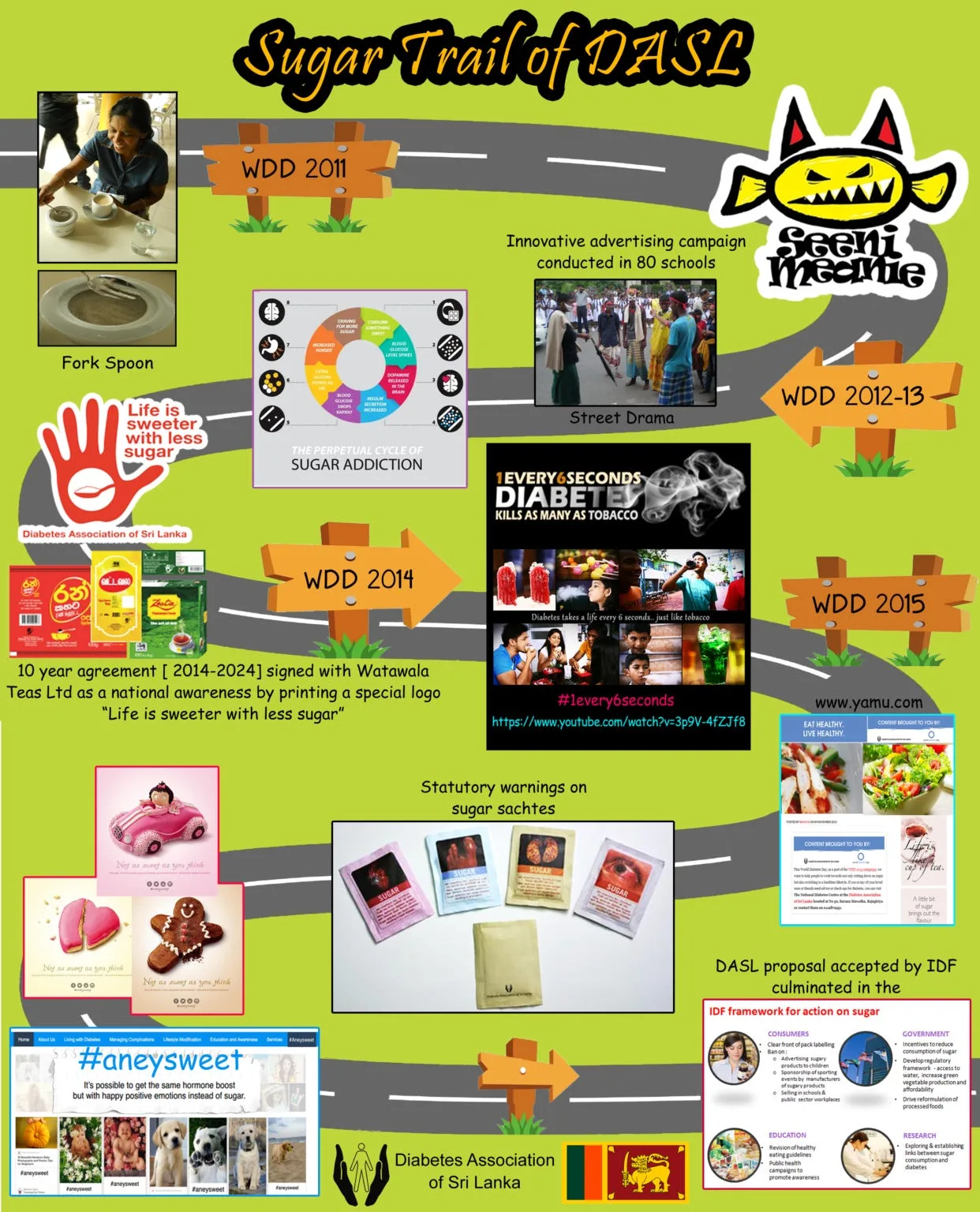
- Since 2011, DASL has embarked on an innovative Education and Awareness Campaign “The Sugar Trail” to highlight the need to reduce sugar consumption as it may lead to obesity and diabetes. They have distributed copies of the book “Life is sweeter with less sugar” free of charge to grade 5 children in National schools in the Western Province. Their Aneysweet campaign highlighted the fact that sugar is addictive as it boosts dopamine which induces dependence and addictive highs like other addictive substances. Their Sugar Crime campaign was a stunt campaign of a hypothetical murder victim’s body outlined with sugar and displayed in busy prime public locations.
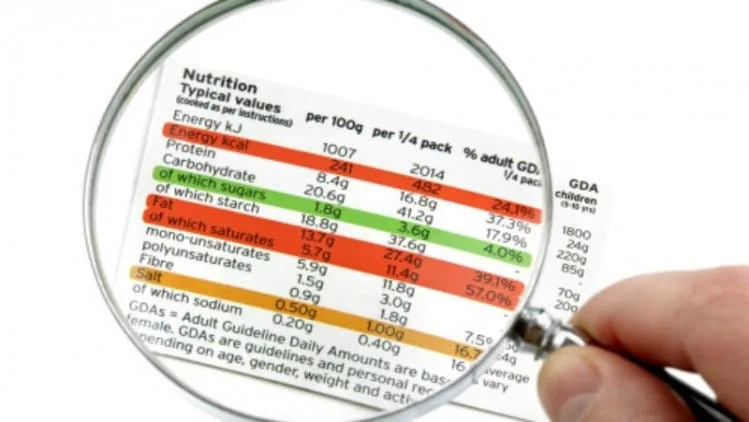
Sri Lanka hasimplemented a traffic light coding system for packaged foods in the country, targeting specified levels of sugar, salt and fat content following success of the system’s application to soft drinks in the country. Food products that contain per 100 g more than 22 g of sugar, 17.5 g of fat or 1.25 g of salt will be given a red label.
A recent study has confirmed the significant cost effectiveness of lifestyle modification interventions for type 2 diabetes prevention in a young urban at-risk population in Sri Lanka. Without these low-cost preventative measures, Sri Lanka incurs an annual cost of $1056 per diabetic patient.
In contrast, the annual medical expenses of all types of diagnosed diabetes in the United States is estimated at $16,750 per patient or $327 billion a year(about 25% of global costs), according to the American Diabetes Association.
Based on the above estimates, it appears that ADA is not even including the 96 million pre-diabetics in their cost estimates. They seem to focused on the (post-)diabetic market sizes and treatments.
This post is my gift to you. It took me 3 hours to research/write but will take you 5 minutes to share. Without sharing, we cannot extend our network of independent critical thinkers. Sharing is caring. Share this at least with people you care about. I need your support.
“An Ounce of Prevention is worth a Pound of Cure!” Ben Franklin coined this timeless phrase in 1736 in order to remind the citizens of Philadelphia to remain vigilant about fire awareness and prevention. In my book “Masks, Crutches and Daggers, the Science of our Self-Delusional, Addictive Homo economicus Brain” (soon available here) I explain, in simple terms, the thermodynamics parallels between metabolic diseases like diabetes and out-of-control fires/explosions.
The large increase in insulin expenditures in the United States in recent years may be attributed to the shift from inexpensive beef and pork insulins to more expensive genetically engineered human insulins and insulin analogs and physician prescribing practices.