A Spice with Anti-Cancer, Anti-Depressant Properties
The Benefits of the World's Most Expensive Spice
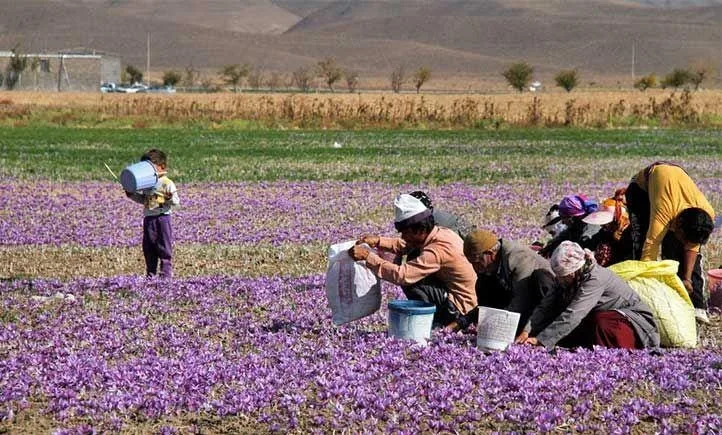
Priced at $5,000-$10,000 per kilogram or higher, saffron is named as the world's most expensive spice by weight. Saffron, a spice derived from the flower of Crocus sativus, originated in Persia (Iran) and today Iran produces some 90% of the world's high quality saffron grades. The word saffron is probably rooted in the old Persian word zarparan meaning "gold strung" implying either the golden stamens of the flower or the golden color it creates when used as flavor.
True education is an orphan today because it’s not profitable. I spend hours to separate good science from bad, noise from signal. By subscribing (free or paid) you allow me to continue working for our network of critical thinkers as an alternative to corporate-sponsored publications.
Amazing Properties, Yet Not Approved by FDA
Saffron has been used in folk medicine, Iranian traditions and Ayurvedic health system as a sedative, expectorant, anti-asthma, emmenagogue (stimulating blood flow in the pelvic area and uterus, and menstruation), and adaptogenic agent. Saffron was used in various opioid preparations for pain relief (16-19th centuries).
Saffron seems to be an efficient anxiolytic alternative to pharmaceutical drugs for treatment of depression and mood disorders. And unlike in synthetic pharmaceuticals, no serious adverse effects were reported in any of the saffron studies.
Although not approved by FDA as an ADHD medication, Saffron is shown to mitigate ADHD without the major disorders associated with FDA-approved ADHD medications such as Ritalin and methylphenidate (nausea, stomach pain, decreased appetite, insomnia, headache and if abused psychotic episodes, cardiovascular complications, and severe psychological addiction.).
Saffron contains a carotenoid pigment, crocin, which imparts a rich golden-yellow hue to dishes and textiles. A number of studies have indicated that crocin induces an antitumor effect by inhibiting proliferation and inducing the apoptosis of tumor cells, as well as downregulating tumor angiogenesis.
A recent study by researchers at Kurdistan University's Biology Department in Iran has ranked various grades of Iranian saffron (from different regions) in their anti-tumor properties. Saffrons from all regions induced apoptosis and cell cycle arrest in MDA-MB-231 breast cancer cells in a dose-dependent manner and extracts from Gonabad and Najafabad saffrons showed a time-dependent effect as well.

Researchers also found that methanol extracts of saffron from Gonabad had a strong cytotoxic effect on breast cancer cell line MCF-7.
Generally, growing evidence from pharmacological studies has further shown that saffron or its active constituents may potentially exert neuroprotective, anti-convulsant, anti-depressive, anxiolytic, anti-oxidant, anti-inflammatory, hypolipidemic, anti-atherogenic, anti-hypertensive, and even anti-tumor effects.
CAUTION is currently advised regarding saffron supplementation in patients with renal insufficiency or bleeding disorders, and in those on anti-coagulation treatment due to potential inhibition of platelet aggregation. Saffron has also been reportedly used for induction of abortion, with amounts higher than those used in foods (>5 gr) having uterine stimulant effects; thus, it should be avoided during pregnancy. High doses of saffron are linked to an increased risk of miscarriage because it can stimulate uterine contractions.
I wish years ago someone shared these facts with me. I now spend hours to research topics and share them with the world. Please do your part. Share if you care.
Cheaters Were Executed!
Despite attempts at quality control and standardization, an extensive history of saffron adulteration, particularly among the cheapest grades, continues into modern times. Adulteration was first documented in Europe's Middle Ages, when those found selling adulterated saffron were executed under the Safranschou code. Typical methods include mixing in extraneous substances like beetroot, pomegranate fibers, red-dyed silk fibers, or the saffron crocus's tasteless and odorless yellow stamens. Other methods included dousing saffron fibers with viscid substances like honey or vegetable oil to increase their weight. Powdered saffron is more prone to adulteration, with turmeric, paprika, and other powders used as diluting fillers. Adulteration can also consist of selling mislabeled mixes of different saffron grades.
Safflower is a common substitute sometimes sold as saffron. Saffron is reportedly counterfeited with horse hair, corn silk, or shredded paper. Tartrazine or sunset yellow have been used to color counterfeit powdered saffron. In recent years, saffron adulterated with the coloring extract of gardenia fruits has been detected in the European market. This form of fraud is difficult to detect due to the presence of flavonoids and crocines in the gardenia-extracts similar to those naturally occurring in saffron.
Apparently as a reuptake inhibitor of dopamine and norepinephrine and agonist of NMDA and GABA-α.