
Research Shows Nutrients and Flavor are Superior with Fresh, Local, Chemical-Free Produce
Food that has been picked and transported over long distances is less nutritious than food grown locally because of the time from farm to table, according to Michigan State University which lists 7 benefits of eating local foods (see reference link below). The article also mentions how the money that is spent with local farmers and growers all stays close to home and is reinvested with businesses and services in your community. Local foods also promote a safer food supply because the more steps there are between you and your food’s source the more chances there are for contamination, particularly in large commercial (mass-scale) operation during harvesting, washing, shipping and distribution. Also, there is a lot of fuel and energy wasted to store and transport produce over long distances.
Nutrients in Mass-Produced Sprayed Vegetables Today are NOT the Same as in 1950's
A US study (https://pubmed.ncbi.nlm.nih.gov/15637215/) of USDA nutrient content data (pictured above) between 1950 and 1999 found that on average, across the 43 vegetables analyzed, riboflavin content declined by 38%, calcium by 16%, iron by 15%, phosphorus by 9%, and protein by 6%. The paper concluded that there are significant trade-offs between yield and nutrient content. Another study (https://pubmed.ncbi.nlm.nih.gov/19013359/) shows that in wheat grains, the concentrations of zinc, iron, copper and magnesium have decreased significantly since the 1960s because of the focus on higher yields. Another study examining vegetables grown in Australia (https://www.ncbi.nlm.nih.gov/pmc/articles/PMC8750575/) between 1980 and 2010, shows there were noteworthy drops in iron content, ranging from 30 to 50 percent, in sweet corn, red-skinned potatoes, cauliflower, green beans, green peas, and chickpeas.
A 1993 study published in the Journal of Applied Nutrition (http://www.ask-force.org/web/Organic/Smith-Organic-1993.pdf), reported significant differences in the mineral content of organic and conventional produce purchased in suburban Chicago grocery stores. Over a 2-year period, organically grown wheat, corn, potatoes, apples, and pears averaged 60–125% more iron, zinc, calcium, phosphorus, magnesium, and potassium relative to conventionally grown counterparts.
The Organic Consumers Association cites several other studies with similar findings. A Kushi Institute analysis of nutrient data from 1975 to 1997 found that average calcium levels in 12 fresh vegetables dropped 27 percent; iron levels 37 percent; vitamin A levels 21 percent, and vitamin C levels 30 percent. A similar study of British nutrient data from 1930 to 1980, published in the British Food Journal, found that in 20 vegetables the average calcium content had declined 19 percent; iron 22 percent; and potassium 14 percent. Yet another study concluded that one would have to eat eight oranges today to derive the same amount of Vitamin A as our grandparents would have gotten from one.
Nutrient Density Declines with Post-Harvest Storage
According to the University of California, Davis, many of the "non-local" supermarket fruits and vegetables are harvested prematurely (unripened with less nutrients like Vitamin C) to allow for long-distance transportation, storage and shelf life periods. Much of the produce on store shelves are also packaged in controlled/modified atmospheres (such as vacuum or nitrogen or low oxygen and high carbon-dioxide) to control or choke out the respiration of the fresh produce which would be naturally alive post-harvest and losing moisture slowly. So some packaged store-bought produce may have been harvested some 3-12 months ago (NOT Fresh!).
A 2001 review of 41 studies (https://www.liebertpub.com/doi/abs/10.1089/107555301750164244) reported that on average organic crops had a fifth more to almost a third more vitamin C, iron, and magnesium than conventional crops.
A German study (https://journals.sagepub.com/doi/abs/10.1177/026010608800600103) under controlled experimental conditions shows a clear advantage for staple food grown under biological/ecological (chemical-free regenerative) farming conditions as compared to those from conventional farming methods using pesticides. This is especially true for the vegetative parts of plant products, where regenerative chemical-free produce contains lower undesirable (e.g. nitrates and pesticide and agrochemical residues) and higher desirable (e.g. vitamin C and trace elements) components.
There are also problems with Genetically-Engineered (GE) or Genetically-Modified (GMO) produce. Denatured (Allergenic) proteins are known to resist degradation by "natural" digestive enzymes. As a result, when certain proteins are genetically engineered into other crops without the natural digestive enzymes, they could become allergenic. For example, research has shown that transgenic soybeans modified with proteins from Brazil nuts trigger allergies in certain people (source: https://www.nejm.org/doi/full/10.1056/nejm199603143341103).
Some Useful References:
https://www.canr.msu.edu/news/7benefitsofeatinglocal_foods
https://www.scientificamerican.com/article/soil-depletion-and-nutrition-loss/
https://www.frontiersin.org/articles/10.3389/fsufs.2021.699147/full
https://www.gowinglife.com/70-years-of-nutritional-decline/
https://fruitandvegetable.ucdavis.edu/files/197179.pdf
https://ivypanda.com/essays/was-food-healthier-100-years-ago
https://www.betterbones.com/wp-content/uploads/2016/03/Americas-vanishing-nutrients-Decline-in-fruit-and-vegetable-quality-poses-serious-health-and-environmental-risks.pdf
Related products
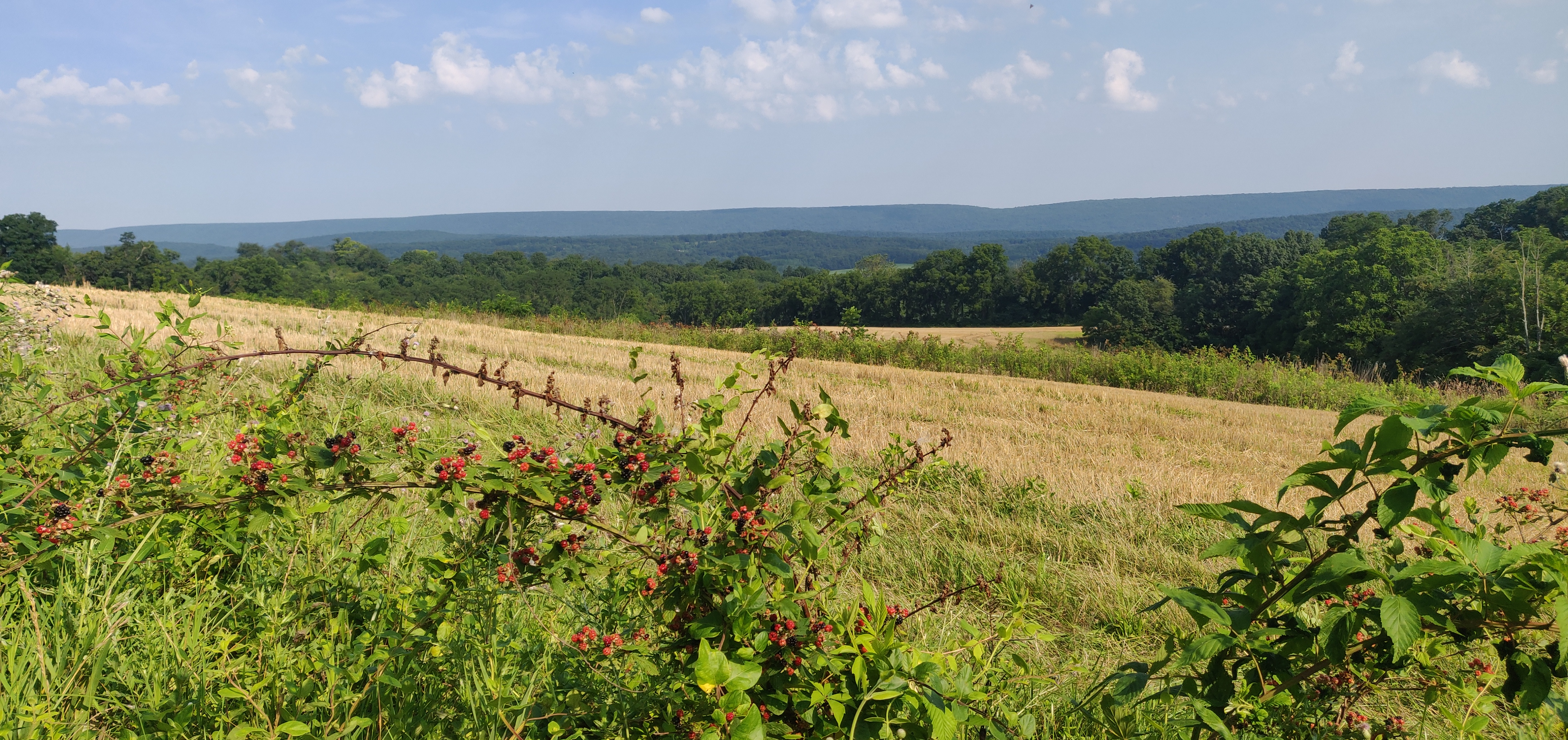
Medium 2026 Seasonal Reserved Package
Unlike CSA shares, with our seasonal packages, YOU place whatever you need in your cart, slowly using up your seasonal credit, for FREE delivery every 2-3 weeks. With a Seasonal Package, we will set aside your Fresh produce, while our limited supplies last, ahead of others, plus we can deliver it to you for free. You have between June and December to use up your credit. Fresh, Local Chemical-Free at Below-store prices delivered for FREE, DIRECTLY from hard-working small family farms to you. With each delivery, we draw against your prepaid credit until your commitment level is exhausted. You have from JUNE until DECEMBER to use your credit. We are sure you will renew once you taste the produce or try our non-produce local items. We only open 15 Large pre-order packages each season. December is our Last Delivery. Maximum 10 deliveries a season.
Learn moreApril – August (If Not Sold Out)
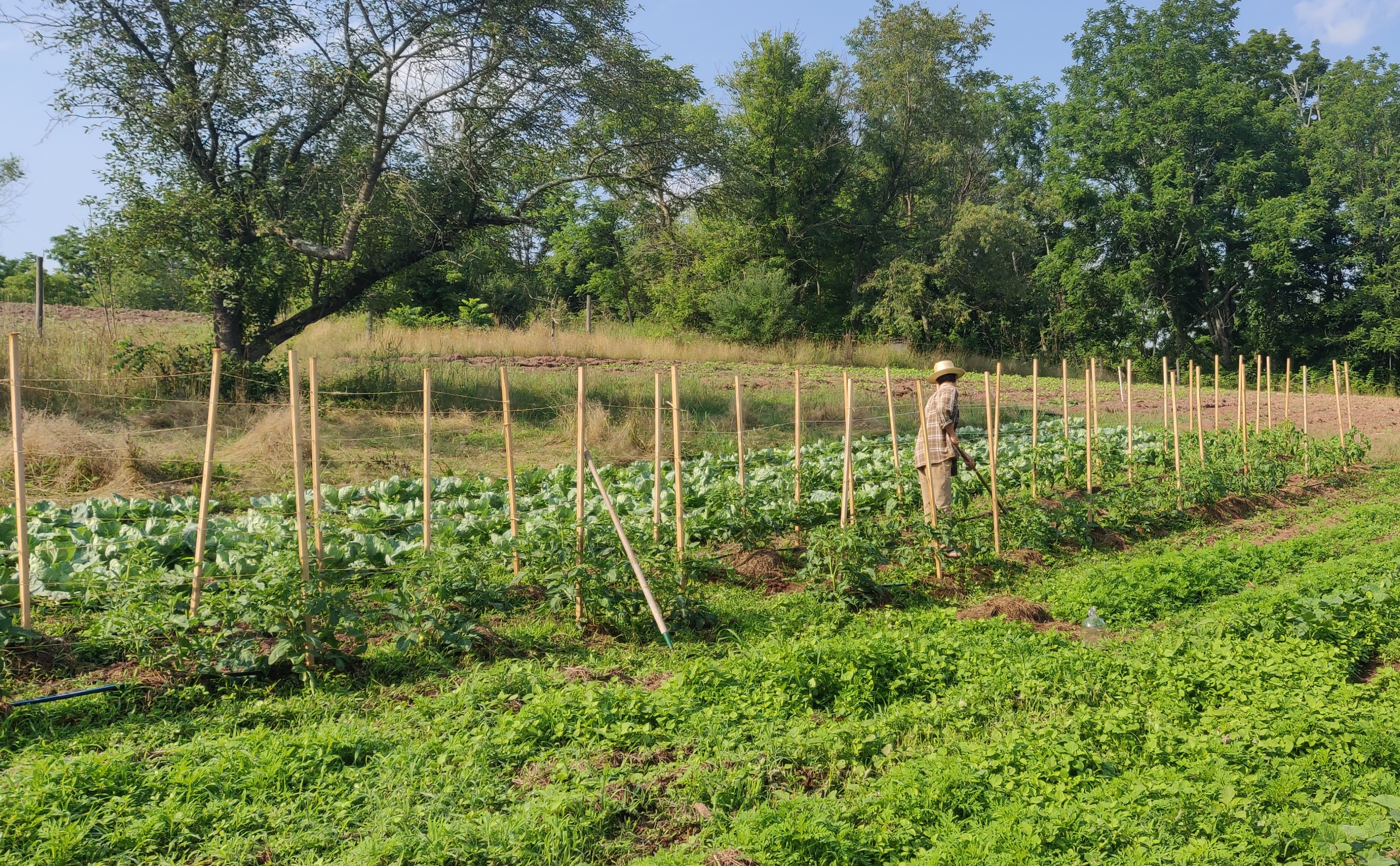
Large 2026 Seasonal Pre-Order Reserved Package
Unlike CSA shares, with our seasonal packages, YOU place whatever you need in your cart, slowly using up your seasonal credit, for FREE delivery every 2-3 weeks. With a Seasonal Package, we will set aside your Fresh produce, while our limited supplies last, ahead of others, plus we can deliver it to you for free. You have between June and December to use up your credit. Fresh, Local Chemical-Free at Below-store prices delivered for FREE, DIRECTLY from hard-working small family farms to you. With each delivery, we draw against your prepaid credit until your commitment level is exhausted. You have from JUNE until DECEMBER to use your credit. We are sure you will renew once you taste the produce or try our non-produce local items. We only open 15 Large pre-order packages each season. December is our Last Delivery. Maximum 10 deliveries a season.
Learn moreApril – August